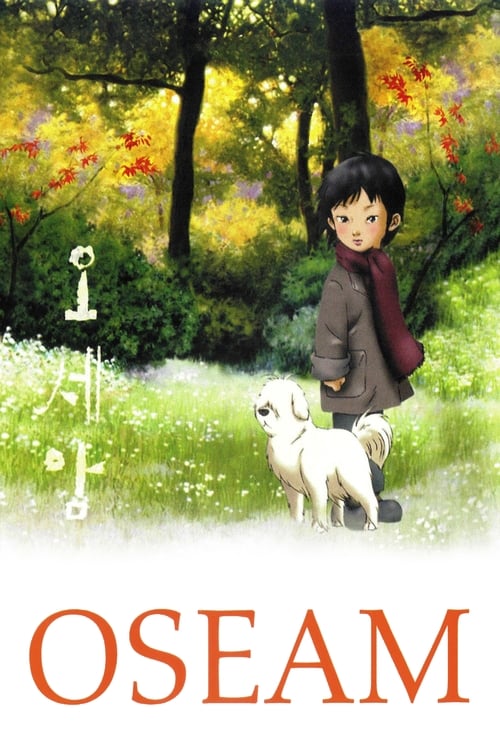
Oseam
2003
No user ratings available yet
Representation score: 6.8 out of 10
Representation Score
Excellent
2011
Director
Park Se-hui, Kim Sunah
Runtime
62 minutes
Average Rating
No ratings yetNew Showbiz Analysis
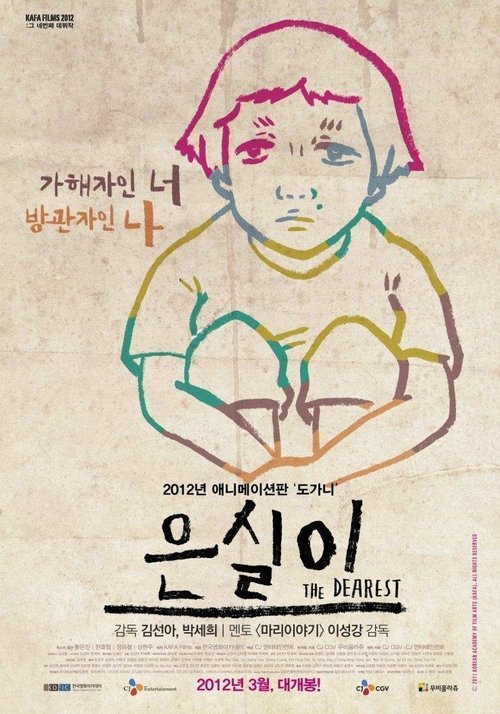
The Dearest is a sophisticated animated drama that uses its medium to critique traditional social structures. It succeeds by centering underrepresented experiences, particularly regarding disability and women's ability to drive the story, to challenge the perceived stability of communal institutions. The film's primary strength lies in its refusal to use disability as a mere plot device or an inspirational cliché. Instead, it uses Eun-sil's character to drive a profound critique of social ability to act and the exploitation of the vulnerable. While the film excels in disability and gender representation, it remains limited in its depiction of LGBTQ+ identities and racial diversity. The narrative is deeply rooted in a specific South Korean cultural context, focusing on internal social hierarchies.
Category Breakdown
The film does not explicitly depict LGBTQ+ identities or relationships that go beyond the assumption that everyone is straight. It focuses on biological birth and female solidarity.
The film highlights the emotional and intellectual roles of women. It critiques patriarchal structures by emphasizing the intellectual weight carried by the female protagonists.
As a South Korean production, the film presents a culturally specific perspective. The ethnically homogeneous cast explores internal social hierarchies within a small village setting.
The story challenges traditional social institutions by portraying the village community as a source of systemic oppression. It deconstructs communal hypocrisy and traditional social harmony.
The film centers on Eun-sil, a character with a mental disability. Her lived experience is used to expose systemic cruelty and exploitation within the village power dynamics.
Present on Screen
Limited or Absent
Official Synopsis
In-hye and Sun-mi visit their hometown, a small and quiet village in the countryside, after a long time only to face unexpected news: their old friend Eun-sil died while giving birth. The town is left in an uproar because of the baby, whose father is unknown, and it is neglected, protected by no one. While In-hye and Sun-mi try to save the baby with the help of Ji-young, their friend who has stayed in town, they find out that Eun-sil, who was mentally retarded, was a plaything of the village. In-hye and Sun-mi are troubled with the rage they feel against the village people and the guilty conscience they feel towards Eun-sil. Although they abandoned Eun-sil in the past, will they be able to protect her baby until the end?
2003
2002
2017
2003

2010
2014

2020
2004
No reviews yet. Be the first to share your thoughts on this movie!
Use the rating form above to leave a star rating and optional review.