
River of First Love
2004
No user ratings available yet
Representation score: 7.0 out of 10
Representation Score
Good
2004
Director
Yoon In-ho
Runtime
105 minutes
Average Rating
No ratings yetNew Showbiz Analysis
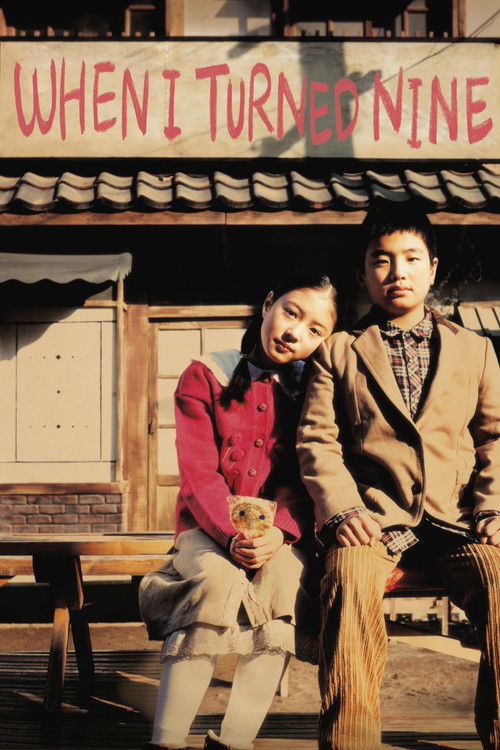
When I Turned Nine offers a realistic look at childhood within a specific South Korean social setting. It effectively portrays the challenges of economic hardship and the responsibilities of a young boy in a working-class community. While the film avoids idealized family clichés by showing the physical toll of labor, it remains culturally uniform. The narrative lacks the diverse representation found in more contemporary global cinema. Ultimately, the film is a character-driven study of resilience. It focuses on a child facing systemic economic issues rather than broader social critiques.
Category Breakdown
The film does not include explicit LGBTQ+ characters or identities that go beyond traditional heterosexual relationships. The story focuses on childhood friendships and family duties.
The movie highlights a mother's work in a factory, moving beyond typical domestic roles. However, it doesn't challenge traditional gender hierarchies or male leadership.
Set in a South Korean mountain village, the film features a cast that is culturally similar. It provides a detailed look at local social structures without blending different racial backgrounds.
The story looks at the economic hardships and social hierarchies faced by children in a working-class community. It portrays families through the lens of community resilience and the impact of industrial labor.
Disability is shown through the mother's eye injury, which influences the protagonist's actions. There is limited exploration of neurodivergence or characters with independent ability to act related to disability.
Present on Screen
Limited or Absent
Official Synopsis
Yeo-min is a matured and thoughtful 9 year old boy who lives in a small mountain village. Even at his young age, he has too many things to take care of. First, he has to protect his friends from the neighborhood bully Black Bird and keep peace in his neighborhood. Second, he must share his lunch with his best friend Ki-jong who lives alone with his sister. And, third, he has to sell ice cream bars after school to save enough money to buy a pair of sunglasses for his mother who injured her eye while working at a factory.
2004

1999
2020
2002
2012
1999
2019

2010
No reviews yet. Be the first to share your thoughts on this movie!
Use the rating form above to leave a star rating and optional review.