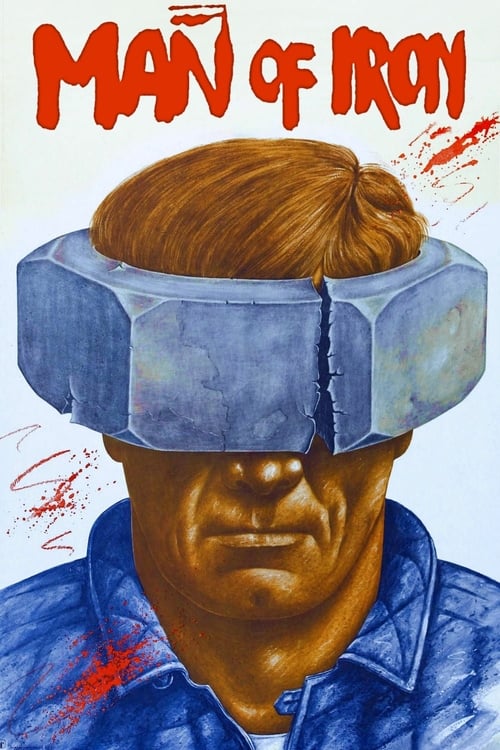
Man of Iron
1981
No user ratings available yet
Representation score: 3.0 out of 10
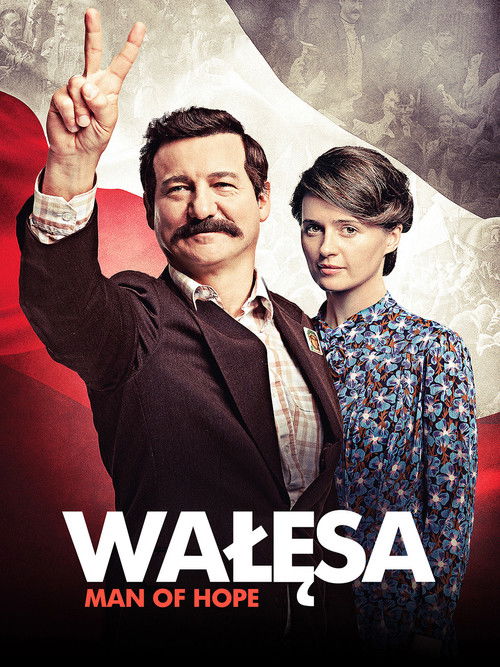
Representation Score
Minimal
2013
Director
Andrzej Wajda
Runtime
127 minutes
Average Rating
No ratings yetNew Showbiz Analysis
Andrzej Wajda’s biopic is a focused study of national identity and political transformation. It prioritizes the historical struggle for labor rights and sovereignty over diverse representations, resulting in a narrative that feels culturally specific and traditional. The film operates within a framework of established institutions. It uses the Catholic Church and the domestic family unit as essential tools of resistance against communist oppression, rather than challenging these social structures. While the film is a powerful documentation of a specific ethnic and political movement, it lacks breadth in its social identities. It remains a singular, historically grounded portrait of a specific era and people.
Category Breakdown
The film does not include any LGBTQ+ characters or non-cisgender identities. It stays true to the historical realism and heterosexual norms of 1970s and 80s Poland.
Gender roles align with traditional hierarchies of the time. Danuta Wałęsa is given depth, but her role is mainly defined by supporting her husband's political career.
The story focuses on the ethnic uniformity of the Polish working class. There is no racial diversity, reflecting the historical reality of the Polish People's Republic during the Solidarity movement.
The film depicts the Catholic Church as a key support for the community. It emphasizes traditional social cohesion and national sovereignty against a totalitarian regime.
There is no significant focus on physical or neurological disabilities. These elements are not part of the main character arcs or plot development.
Present on Screen
Limited or Absent
Official Synopsis
How was it possible that a single man influenced contemporary world so significantly? This film is an attempt to capture the phenomenon of a common man’s metamorphosis into a charismatic leader — an attempt to see how a Gdansk shipyard electrician fighting for workers’ rights awakened a hidden desire for freedom in millions of people.
1981

2005

2012

2010

2022
1984
1989
1992
No reviews yet. Be the first to share your thoughts on this movie!
Use the rating form above to leave a star rating and optional review.