The Last Exorcism Part II
2013
No user ratings available yet
Representation score: 2.8 out of 10
Representation Score
Fair
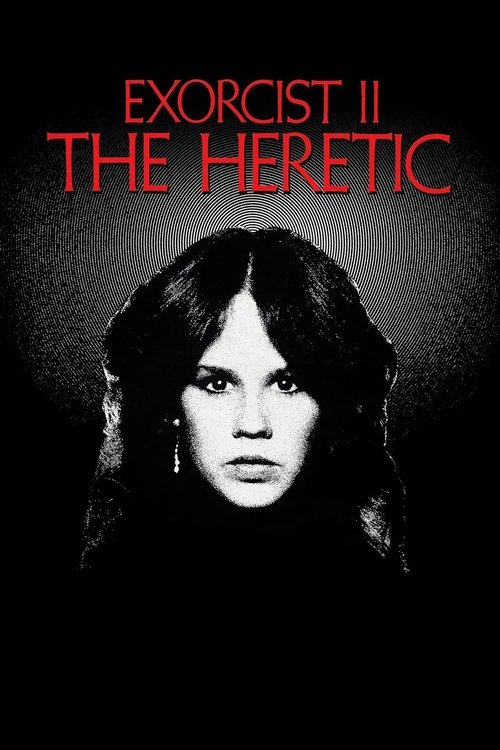
1977
RDirector
John Boorman
Runtime
118 minutes
Average Rating
No ratings yetNew Showbiz Analysis
Exorcist II: The Heretic shifts towards metaphysical inquiry, prioritizing philosophical questions over diverse representation. It replaces traditional horror clichés with a fragmented, postmodern exploration of morality. While the film lacks multi-layered casting and queer representation, it excels in deconstructing religious absolutism. It moves beyond a binary 'Good vs. Evil' framework to explore a more complex moral order. Ultimately, the film's diversity lies in its ideas rather than its people, offering a sophisticated critique of spiritual hierarchies while maintaining a narrow demographic focus.
Category Breakdown
The film does not include any LGBTQ+ characters or themes related to non-straight identities.
Regan MacNeil's fight for autonomy centers the female experience in the plot. The film passes the Bechdel test through interactions between Regan and other women.
The cast and setting are predominantly white, reflecting the demographics of 1970s Georgetown. There is little representation of significant minority groups in the main characters.
The film questions religious certainty by embracing moral relativism. It challenges traditional Christian dualism by suggesting evil might be essential for cosmic balance.
The protagonist's psychological instability drives the plot. However, the portrayal focuses more on a spiritual crisis than on a nuanced depiction of neurodivergent experiences.
Present on Screen
Limited or Absent
Official Synopsis
Bizarre nightmares plague Regan MacNeil four years after her possession and exorcism. Has the demon returned? And if so, can the combined faith and knowledge of a Vatican investigator and a research specialist free her from its grasp?
2013
1988
2005
1986

1992
1971

1973
1979
No reviews yet. Be the first to share your thoughts on this movie!
Use the rating form above to leave a star rating and optional review.