
It Was Fifty Years Ago Today! The Beatles: Sgt. Pepper & Beyond
2017
No user ratings available yet
Representation score: 3.7 out of 10
Representation Score
Limited
2017
TV-14Director
Martin R. Smith, Matthew Longfellow
Runtime
59 minutes
Average Rating
No ratings yetNew Showbiz Analysis
The documentary aims to preserve the legacy of a specific 1960s pop era. Its primary objective is to document the historical context of the time, which naturally reflects the traditional and homogeneous demographics of that period. While the film lacks broad representation in terms of gender, race, and sexual orientation, it excels in its nuanced portrayal of neurodivergence. By centering Brian Wilson's mental health as a core component of his artistic identity, it avoids reductive clichés. Ultimately, the film prioritizes technical and creative lineage over disrupting social hierarchies, resulting in a score that reflects its specific, historically grounded focus.
Category Breakdown
The film focuses on 1960s California surf culture and the creative brotherhood of the band. It does not include explicit LGBTQ+ narratives or non-cisgender identities as central plot drivers.
The narrative centers almost entirely on the male creative process and professional hierarchies. It documents a period where masculine leadership was the norm, and it lacks female perspectives.
The documentary captures a homogeneous demographic within the 1960s mainstream studio system. It serves as a historical record without featuring a diverse cast or intentional race-bending.
This work preserves the cultural heritage of Western pop music. It highlights a quintessentially American musical institution without engaging in anti-capitalist or anti-Western critiques.
The film offers meaningful insights into Brian Wilson's neurodivergent experiences and mental health. It treats his psychological complexities as integral to his genius rather than using them as plot devices.
Present on Screen
Limited or Absent
Official Synopsis
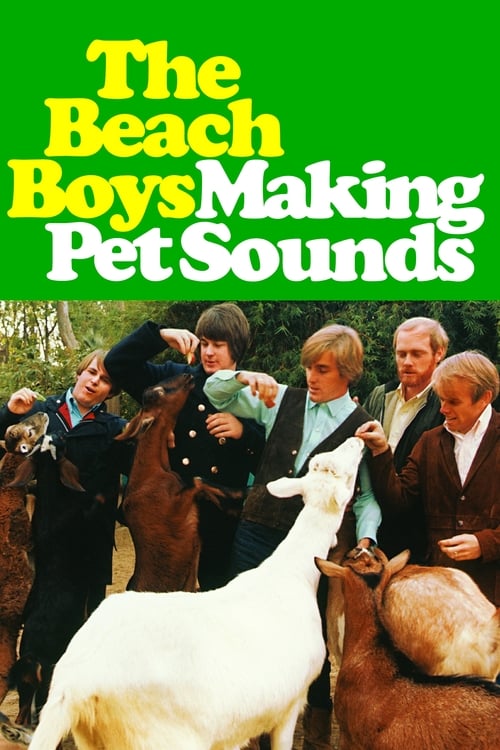
Celebrating the 50th anniversary of the release of ‘Pet Sounds,' Brian Wilson and surviving members of The Beach Boys (Mike Love, Al Jardine, Bruce Johnston and David Marks) revisit the writing and recording of the landmark record that is consistently voted one of the top three influential albums of all time. Featuring exclusive interviews, classic archive and rare studio outtakes from the recording sessions.
2017
2021
1992

2021
2009
2016
2021
2011
No reviews yet. Be the first to share your thoughts on this movie!
Use the rating form above to leave a star rating and optional review.