
Doors: Mr. Mojo Risin' - The Story of L.A. Woman
2012
No user ratings available yet
Diversity score: 4.0 out of 10
2023
Director
Anton Corbijn
Runtime
100 minutes
Average Rating
No ratings yetSynopsis
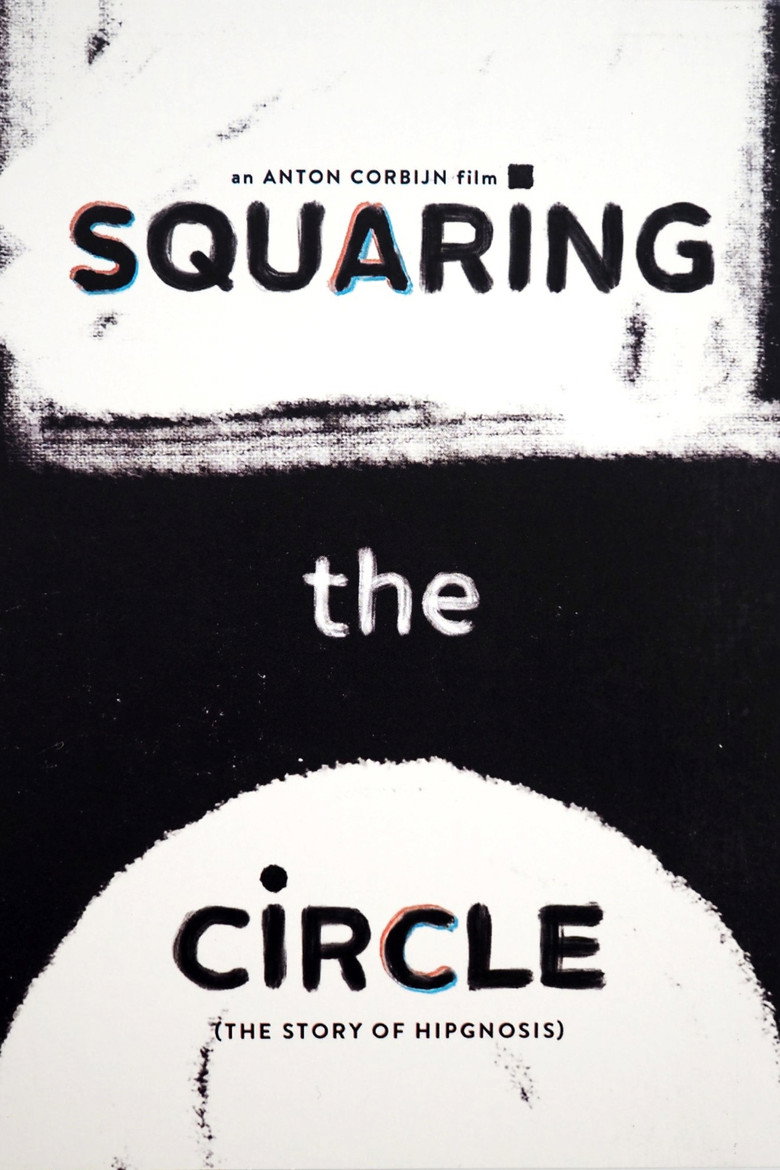
In 1968, art students Storm Thorgerson and Aubrey “Po” Powell made a trippy photo collage for their musician friends Syd, David and Roger. The resulting album and album cover, A Saucerful of Secrets, helped launch two careers: that of Pink Floyd, one of the 70s megabands, and of Hipgnosis, which, over the course of the next 25 years, designed a stream of iconic album covers.
Overall Score
Limited
Category Breakdown
LGBTQ+ Representation
The film focuses on the professional history of Hipgnosis and the rock industry. It does not explicitly center non-cisnormative identities or same-sex intimacy as primary narrative drivers.
Gender Representation
Creative agency is concentrated within the male founders of Hipgnosis and their male musical collaborators. The documentary reflects the male-dominated environments of the 1960s and 70s music industries.
Racial & Ethnic Diversity
The subjects reflect the demographic homogeneity of the UK art school scene and British progressive rock. It does not actively employ diverse subject matter to disrupt traditional demographic patterns.
Religious & Cultural Diversity
The film explores a specific counter-cultural aesthetic and the evolution of branding. It remains a celebratory retrospective of artistic achievement within the established music industry framework.
Disability Representation
There is no significant evidence of subjects with visible or invisible disabilities serving as central narrative agents. The focus remains on the creative processes of the designers.
Strengths
Areas for Improvement
AI Analysis
Anton Corbijn’s documentary serves as a specialized historical retrospective of the Hipgnosis design collective. It prioritizes the preservation of a specific aesthetic legacy and the intersection of graphic design with rock music history. The film adheres closely to the historical and demographic realities of the mid-20th-century British art and music industries. Because it focuses on a specific niche of the UK art school scene, the representation remains largely homogeneous. Ultimately, the work does not seek to disrupt traditional social hierarchies. Instead, it functions as a focused study of visual semiotics and the professional lives of its male protagonists.
2012

2004

2003

2017

2010

2007
2014
2010

2010
2019

2012
2016
No reviews yet. Be the first to share your thoughts on this movie!
Use the rating form above to leave a star rating and optional review.