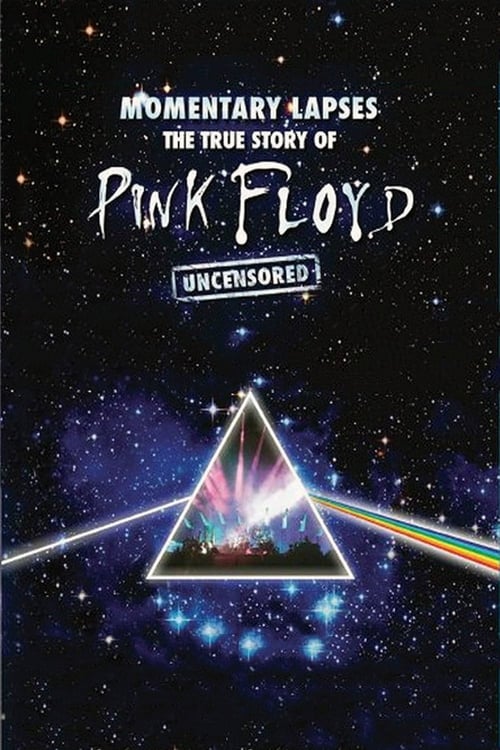
Pink Floyd: Momentary Lapses - The True Story of Pink Floyd
2010
No user ratings available yet
Representation score: 2.8 out of 10
Representation Score
Limited
2012
PGDirector
John Edginton
Runtime
59 minutes
Average Rating
No ratings yetNew Showbiz Analysis
The documentary provides a detailed look at the creative and psychological tensions surrounding a landmark album. It excels in its critique of institutional exploitation and its respectful treatment of mental health issues. However, it is limited in its demographic representation, reflecting the historical homogeneity of the 1970s rock scene and lacking gender, racial, and LGBTQ+ diversity.
Category Breakdown
The film does not include any LGBTQ+ characters or stories, focusing solely on the professional history of the band and their collaborators.
The movie centers on the male-dominated world of 1970s progressive rock, lacking female perspectives and diverse representation.
The documentary reflects the homogeneous British rock scene of its time and does not consider racial or ethnic diversity in its historical context.
The film effectively critiques the music industry as a corrupting force, highlighting how capitalism and commercialization can alienate individuals.
The documentary explores Syd Barrett's mental health struggles with respect and gravity, avoiding trivialization.
Present on Screen
Limited or Absent
Official Synopsis
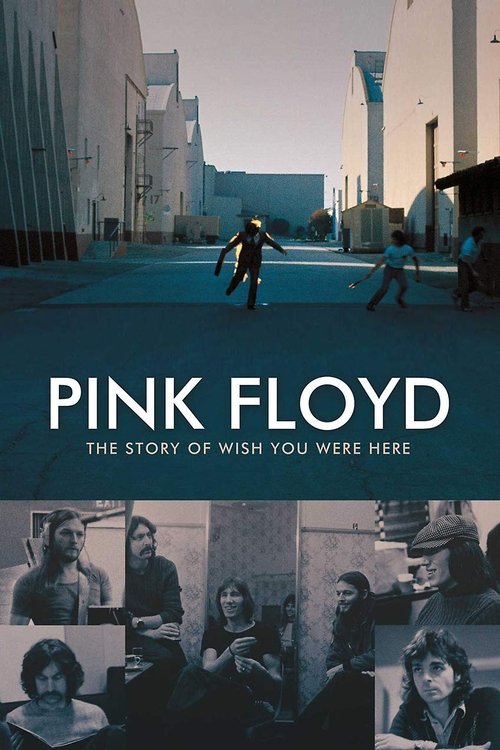
Wish You Were Here, released in September 1975, was the follow up album to the globally successful The Dark Side Of The Moon and is cited by many fans, as well as band members Richard Wright and David Gilmour, as their favorite Pink Floyd album. On release it went straight to Number One in both the UK and the US and topped the charts in many other countries around the world. This program tells the story of the making of this landmark release through new interviews with Roger Waters, David Gilmour and Nick Mason and archive interviews with the late Richard Wright. Also featured are sleeve designer Storm Thorgerson, guest vocalist Roy Harper, front cover burning man Ronnie Rondell and others involved in the creation of the album. In addition, original recording engineer Brian Humphries revisits the master tapes at Abbey Road Studios to illustrate aspects of the songs construction.
2010
2021
2011
2021
2003
2016
2003
2011
No reviews yet. Be the first to share your thoughts on this movie!
Use the rating form above to leave a star rating and optional review.