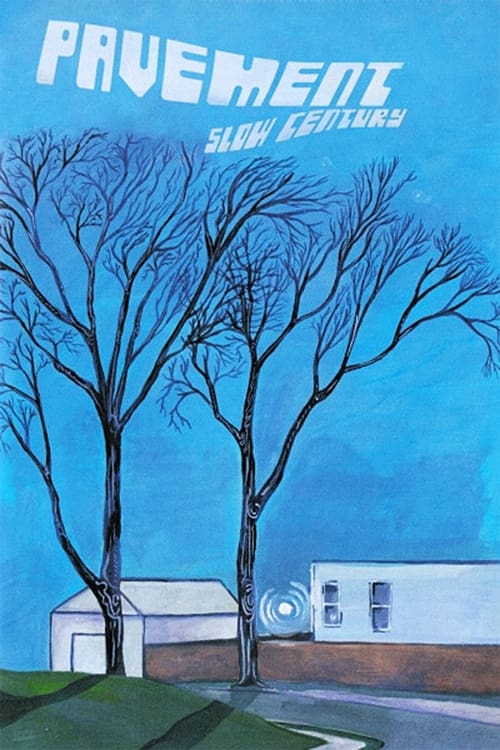
Pavement: Slow Century
2002
No user ratings available yet
Representation score: 3.5 out of 10

Representation Score
Limited
2009
RDirector
Grant Gee
Runtime
100 minutes
Average Rating
No ratings yetNew Showbiz Analysis
Grant Gee’s documentary is a specialized historical study that prioritizes psychological realism over broad demographic representation. It provides a nuanced, non-exploitative look at neurodivergence, particularly through Ian Curtis’s epilepsy. This gives the film a deep understanding of disability. However, the film is limited by its historical context. The narrative is heavily male-centric and lacks LGBTQ+ or racial diversity, reflecting the narrow demographic of the late-1970s Manchester post-punk scene. It serves as a localized portrait rather than a comprehensive one. Ultimately, the work is a period-specific document. While it lacks modern social breadth, its avant-garde, postmodern approach offers a profound look at the personal and atmospheric realities of its subjects.
Category Breakdown
The film focuses primarily on the band members and their music. It does not include explicit representations of LGBTQ+ identities or stories that challenge the assumption that everyone is straight or cisgender.
The story centers around male figures and their music, reflecting the male-dominated post-punk scene of the 1970s. It documents male musicians' expressions without significantly challenging traditional gender roles.
The subjects are mostly white, reflecting the demographics of the time and subculture. There is no significant evidence of diverse ethnic backgrounds within the band's circle.
The film captures the socioeconomic decline of the UK through a bleak, industrial setting. It emphasizes subjective, existential experiences over traditional religious or cultural norms.
Ian Curtis’s epilepsy is central to the narrative and his identity. The film portrays his neurological struggles with real power rather than using his condition merely as a plot device.
Present on Screen
Limited or Absent
Official Synopsis
A chronological account of the influential late 1970s English rock band.
2002
2021
2013
2021

2003
1981
2011
2016
No reviews yet. Be the first to share your thoughts on this movie!
Use the rating form above to leave a star rating and optional review.