
The Pink Floyd and Syd Barrett Story
2003
No user ratings available yet
Diversity score: 3.6 out of 10
2004
TV-14Director
David Leaf
Runtime
109 minutes
Average Rating
No ratings yetSynopsis
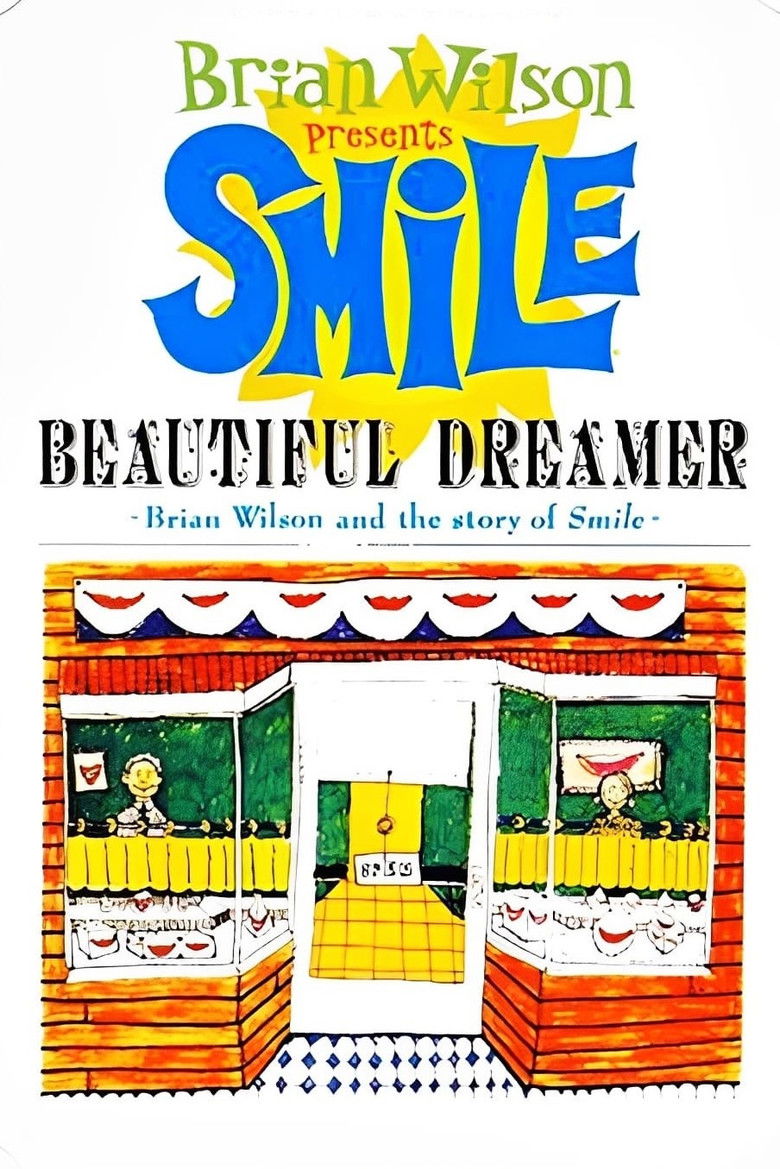
Through modern day interviews, archival footage and vintage audio tapes, this documentary tells the story of the legendary and unfinished 1967 Beach Boys album SMiLE, intended to be the follow-up to their landmark album Pet Sounds, as well as Brian Wilson's ultimate decision to revisit the material 36 years later.
Overall Score
Fair
Category Breakdown
LGBTQ+ Representation
The film operates within a historical framework that lacks explicit queer narratives. It does not center non-cisnormative identities or use the story to challenge traditional sexual hierarchies.
Gender Representation
The narrative centers on male-dominated creative hierarchies of the 1960s. Female presence is relegated to the periphery, primarily serving as muses or secondary figures in the subjects' personal histories.
Racial & Ethnic Diversity
Reflecting the 1960s California surf scene, the film shows a lack of racial integration. The subjects are predominantly Anglo-Saxon, mirroring the historical homogeneity of the era.
Religious & Cultural Diversity
The film offers a nuanced portrayal of the tension between artistic integrity and profit-driven industry structures. It frames Wilson's instability as a byproduct of a complex psyche rather than a moral failing.
Disability Representation
The documentary provides a meaningful exploration of neurodivergence and mental health. It treats Wilson’s psychological struggles as central to his identity and art rather than using them as plot devices.
Strengths
Areas for Improvement
AI Analysis
This documentary prioritizes psychological depth and historical accuracy over demographic breadth. It functions as a deconstruction of the mid-century pop mythos, focusing on the fragmented reality of Brian Wilson. The film's primary strength is its empathetic treatment of mental health. It avoids clichés, instead offering a sophisticated look at how neurodivergence intersects with professional agency and creative volatility. However, the film is limited by its narrow focus on a specific, historically homogenous era. It lacks intersectional variety, particularly regarding race, gender, and LGBTQ+ representation, reflecting the patriarchal and Anglo-centric music industry of the 1960s.
2003

2017
2021

2009

2002

2012
2017
2007

2012
2023

2007
2019
No reviews yet. Be the first to share your thoughts on this movie!
Use the rating form above to leave a star rating and optional review.