
Días de viejo color
1968
No user ratings available yet
Representation score: 3.7 out of 10
Representation Score
Good
1991
Director
Pedro Olea
Runtime
89 minutes
Average Rating
No ratings yetNew Showbiz Analysis
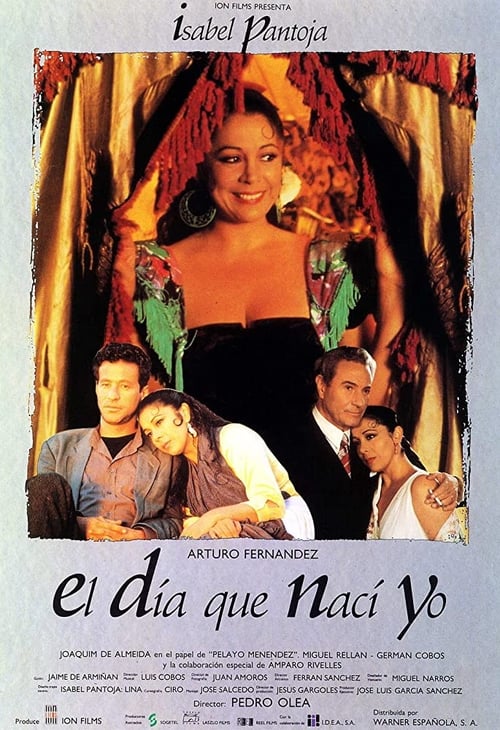
Pedro Olea’s drama succeeds in creating a dialogue around underrepresented ethnic identity and political dissent. By centering a Romani woman and an exiled academic, the film moves beyond traditional Spanish social hierarchies to explore complex cultural landscapes. The film's strength lies in its intentional focus on ethnic and cultural representation. It uses the setting of Cádiz and the flamenco tradition to build a rich, non-Westernized tapestry that avoids superficiality. However, the narrative lacks breadth in other areas of identity. There is no visible representation of LGBTQ+ themes or disability, limiting the multi-layered scope to class, ethnicity, and gender.
Category Breakdown
The film does not include any explicit references to LGBTQ+ characters or non-straight relationships. The focus is mainly on class issues and professional opportunities.
The film centers on a female cantaora who plays a significant role in driving the story. Her professional success subverts traditional domestic roles by emphasizing her intellectual and artistic talents.
By focusing on the Romani experience, the film challenges historical exclusion. The protagonist's identity is central to the story rather than a token gesture.
The story explores political exile and systemic displacement through the professor's character. It highlights localized social structures and flamenco culture over institutional norms.
There are no visible or invisible disabilities depicted within the main character arcs.
Present on Screen
Limited or Absent
Official Synopsis
A gypsy who sells fish in a market, sings on weekends in a tablao. One day, a professor, exiled in Cádiz for her political ideas, offers the cantaora a job.
1968
1981

2014
1980
1961

1973

1966

1989
No reviews yet. Be the first to share your thoughts on this movie!
Use the rating form above to leave a star rating and optional review.