Madhumati
1958
No user ratings available yet
Representation score: 3.4 out of 10
Representation Score
Fair
1959
Director
Shantaram Rajaram Vankudre
Runtime
158 minutes
Average Rating
No ratings yetNew Showbiz Analysis
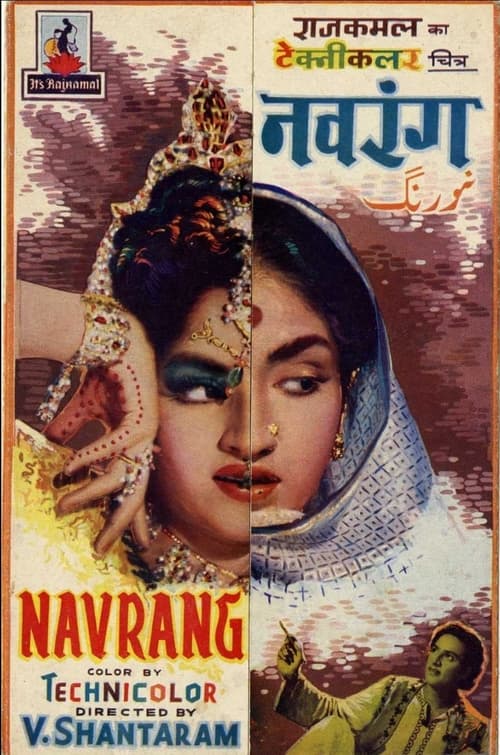
Navrang is a sophisticated musical drama that explores the tension between artistic obsession and familial duty. It successfully centers South Asian cultural identity and offers a nuanced portrayal of women's ability to drive the story through Jamuna's pragmatic resistance to her husband's idealism. However, the film remains constrained by the social norms of its time. Disability is used as a plot device rather than a lived experience, and the narrative lacks any exploration of LGBTQ+ identities or non-traditional gender dynamics. Ultimately, Navrang is a culturally rich period piece that uses personal domestic conflict to subtly critique colonial-era socio-political pressures.
Category Breakdown
The film does not include any non-traditional gender identities or same-sex relationships. The plot revolves around a traditional marriage and the protagonist's fixation on an idealized feminine figure.
Jamuna acts as a pragmatic anchor, challenging traditional gender roles through her active role in the story. She critiques her husband's impracticality and chooses to live separately, resisting the stereotype of the passive female lead.
The film highlights South Asian cultural expressions and classical dance. This focus elevates indigenous performing arts, emphasizing a strong cultural identity that resists a Western-centric perspective.
The narrative explores post-colonial tensions through the protagonist's struggle against British institutions. It also examines the tension between spiritual devotion and the practicalities of survival.
Physical vulnerability is shown through a sickly father and a starving son. These characters primarily serve as catalysts to heighten the protagonist's domestic and emotional conflicts.
Present on Screen
Limited or Absent
Official Synopsis
Diwakar is a poet and loves his wife Jamuna on everything. But Jamuna does not agree that Diwakar lives out of sheer poetry in a fantasy world and the real world less and less responsible. Diwakar goes so far that he is a fantasy woman in his wife's body creates what he calls Mohini. Diwakar will soon become a recognized poet and Jamuna gives birth to a boy. Unfortunately, the happiness does not last long: Diwakar loses his job because of a critical songs against the British. Now he can no longer feed his sickly father nor his son, who is starving. All this makes Jamuna angry, but above all Diwakars growing obsession with Mohini. As Jamuna decides to live apart from Diwakar, it is destroyed internally and no longer capable of proof. Jamuna slowly realizes that she can not live without Diwakar and forgives him.
1958
1964
1978
1961
1991

2003
1978
1990
No reviews yet. Be the first to share your thoughts on this movie!
Use the rating form above to leave a star rating and optional review.