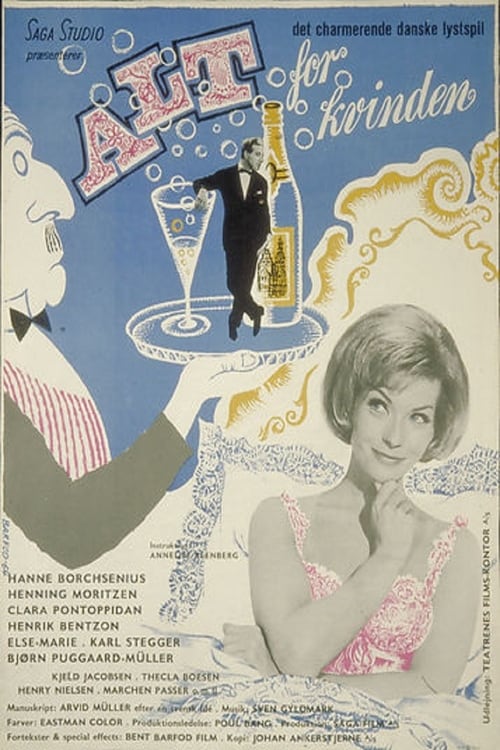
Alt for kvinden
1964
No user ratings available yet
Representation score: 1.4 out of 10
Representation Score
Limited
1961
Director
Annelise Reenberg
Runtime
96 minutes
Average Rating
No ratings yetNew Showbiz Analysis
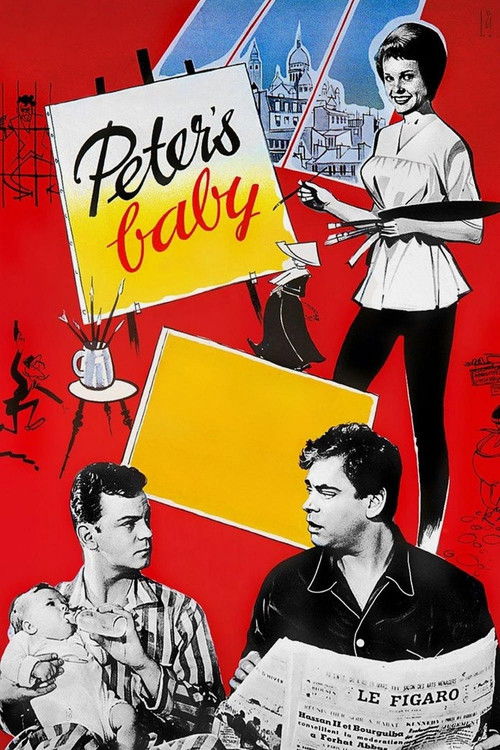
Peter's Baby is a reflection of its time, deeply rooted in the social and cultural norms of 1961 Denmark. The film emphasizes traditional domesticity and conventional romantic structures, offering little disruption to established social hierarchies. The narrative structure relies on mid-century clichés, focusing on male-driven plots involving business travel and past romantic issues. This results in a lack of diverse perspectives. Ultimately, the film provides a snapshot of a homogeneous European social fabric, highlighting religious milestones and traditional family dynamics rather than challenging social norms.
Category Breakdown
The film does not include any LGBTQ+ characters or stories. The main plot revolves around a man's upcoming marriage to a woman.
The story adheres to mid-century conventions where a man's actions drive the conflict. Although Kirsten is central to the marriage plot, the narrative primarily focuses on Peter's past and his business trips.
The production centers on a homogeneous social circle within a localized Danish context. There is no indication of racial or ethnic diversity in the central conflict.
The narrative incorporates traditional religious ceremonies, such as baptismal certificates and hospital rituals. It aligns with mid-century Western social and capitalist norms.
There is no mention of characters with visible or invisible disabilities in the narrative.
Present on Screen
Limited or Absent
Official Synopsis
Peter Bergmann has celebrated his bachelor party with his good friend William Thorsen. Peter is to marry William's former girlfriend Kirsten on the same day. When they return to Peter's home in the morning, they find a letter from the French hospital "The Little Blue Nuns," asking Peter to come in with his baptismal certificate and have a blood test done. Peter tells William that he had a love affair in Paris while on a business trip for his father's company, but Tony rejected him when he proposed marriage.
1964
1961
1963

1966
1955
1968
1960

1958
No reviews yet. Be the first to share your thoughts on this movie!
Use the rating form above to leave a star rating and optional review.