Atomic Homefront
2017
No user ratings available yet
Representation score: 8.4 out of 10
Representation Score
Good
1989
Director
Susan Robinson, Mark Mori
Runtime
54 minutes
Average Rating
No ratings yetNew Showbiz Analysis
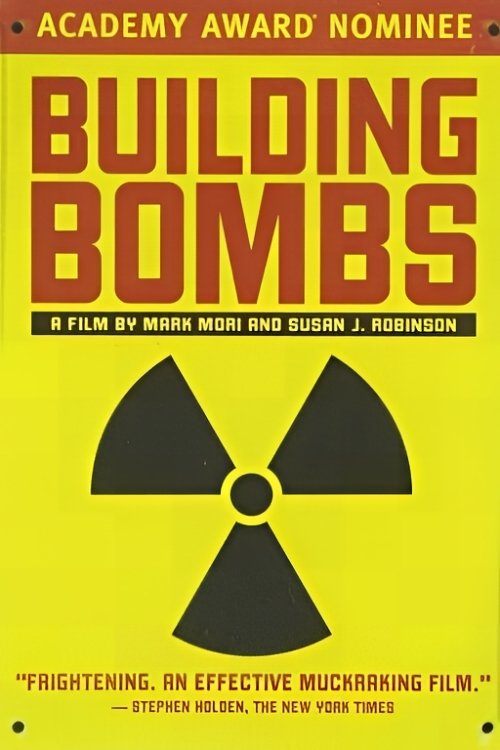
Building Bombs is a powerful social critique that shifts the focus from national security to community vulnerability. It successfully deconstructs the monolithic authority of the military-industrial complex by centering the voices of local residents and activists. The documentary questions the morality of state-sponsored nuclear production by framing the Savannah River Plant as a source of instability. While the film lacks explicit identity-based representation, its strength lies in its systemic approach to environmental justice. It moves beyond simple reporting to offer a nuanced critique of institutional power.
Category Breakdown
The film focuses on socio-political and environmental conflicts. It does not include any LGBTQ+ characters or narratives about non-straight relationships.
The film features female voices and narration by Jane Alexander. This challenges the traditionally male-dominated perspective of military and scientific industries.
Set in South Carolina, the film highlights environmental justice issues. It explores how underrepresented communities face the consequences of industrial pollution.
The narrative prioritizes anti-establishment critiques over patriotic themes. It emphasizes the lived experiences of communities over official state narratives about national security.
The film touches on the physical impacts of radiation exposure. However, it does not feature specific characters with disabilities given central roles.
Present on Screen
Limited or Absent
Official Synopsis
This Oscar-nominated documentary chronicles everyday life in Aiken, S.C. -- ground zero for America's hydrogen bomb-making facility, the Savannah River Plant. Through interviews with residents, politicians, activists and factory workers, the incisive film looks at the consequences of living in the shadow of nuclear weapons and the illegal dumping of radioactive waste. Actress Jane Alexander narrates.
2017
2010
1991
1984
2023

1983
1986
2012
No reviews yet. Be the first to share your thoughts on this movie!
Use the rating form above to leave a star rating and optional review.