Building Bombs
1989
No user ratings available yet
Representation score: 6.1 out of 10
Representation Score
Excellent
1991
Director
Debra Chasnoff
Runtime
27 minutes
Average Rating
No ratings yetNew Showbiz Analysis
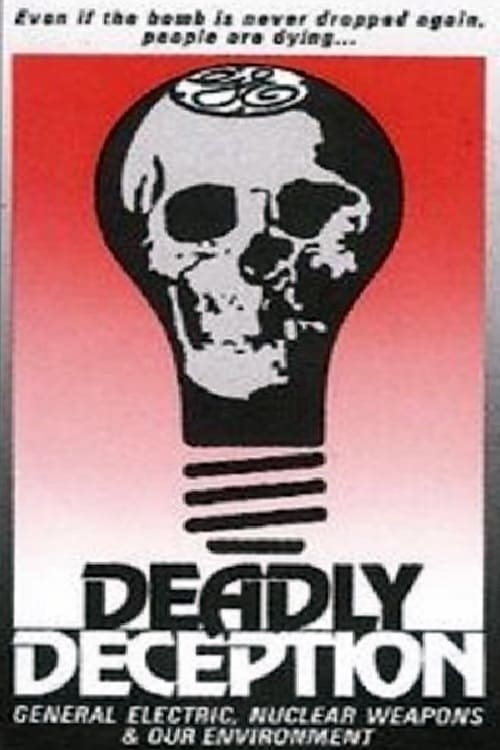
Deadly Deception offers a strong critique of corporate power and industrial progress, shifting the focus from technology to human and ecological costs. It uses an anti-capitalist lens to challenge traditional celebratory views of Western industry, emphasizing the importance of ecological health over capitalist growth. While the documentary does not feature specific character diversity, its thematic structure provides a nuanced critique of how institutional interests affect public welfare and environmental health.
Category Breakdown
The documentary focuses on industrial and ecological issues without highlighting LGBTQ+ identities or stories that challenge traditional heterosexual norms.
Debra Chasnoff centers herself as a female director in a field dominated by men, driving the narrative with her critical observations.
The film looks at how industrial pollution affects communities, especially those disproportionately impacted by environmental hazards. It highlights the burden on underrepresented populations.
The narrative critiques Western industrial capitalism, presenting profit-seeking as harmful to ecology and human safety.
The film examines the physical effects of radiation and nuclear contamination, focusing on the vulnerability of the human body to toxins and chronic illnesses.
Present on Screen
Limited or Absent
Official Synopsis
This 1991 Academy Award®-winning documentary uncovers the disastrous health and environmental side effects caused by the production of nuclear materials by the General Electric Corporation.
1989
2010
2003
2007
2017
2023
2002
1988
No reviews yet. Be the first to share your thoughts on this movie!
Use the rating form above to leave a star rating and optional review.