
Good Times
1967
No user ratings available yet
Representation score: 3.9 out of 10
Representation Score
Limited
1956
ApprovedDirector
Frank Tashlin
Runtime
98 minutes
Average Rating
No ratings yetNew Showbiz Analysis
The film serves as a bridge between traditional and modern aesthetics, challenging the rigid social structures of the 1950s while prioritizing the autonomy of young people. However, it remains confined to the societal norms of its time, lacking meaningful representation of racial, LGBTQ+, or disability issues.
Category Breakdown
The film focuses solely on heterosexual relationships and mid-1950s pop culture, with no indication of LGBTQ themes or non-traditional gender identities.
The story revolves around a female protagonist striving for independence, yet her actions are often influenced by male characters. However, it breaks away from traditional feminine roles by highlighting the female perspective in the musical performances.
The film reflects the homogeneous society of the 1950s, primarily featuring white, middle-class individuals. It does not address multi-layered identities or racial diversity.
The story questions traditional values by emphasizing the rebellious spirit of youth culture over parental authority. It portrays the pursuit of fame as more appealing than adhering to conservative social norms.
The film does not include any characters with visible or invisible disabilities, sticking to the typical able-bodied stereotypes of musical comedies.
Present on Screen
Limited or Absent
Official Synopsis
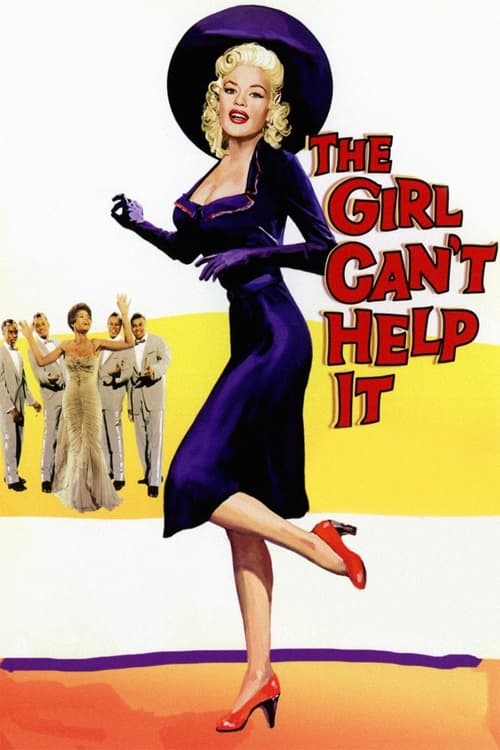
A down-and-out gangster hires a down-on-his-luck agent to make his girlfriend a recording star within six weeks.
1967
1963
1948
1933
1947

1953

1937
1954
No reviews yet. Be the first to share your thoughts on this movie!
Use the rating form above to leave a star rating and optional review.