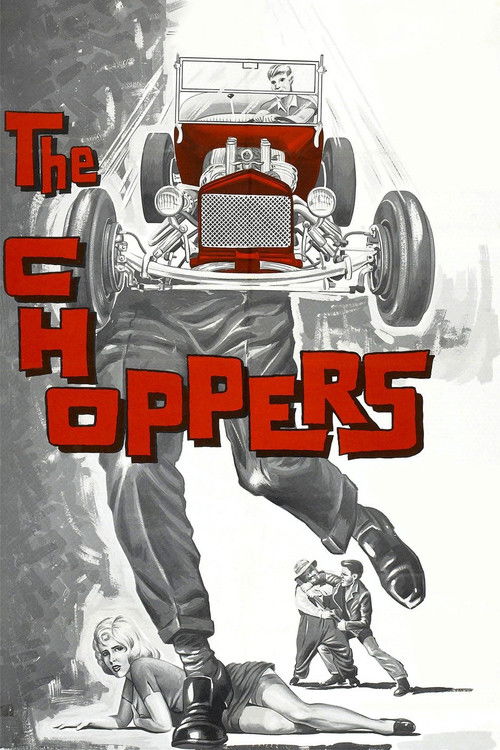
The Choppers
1961
No user ratings available yet
Diversity score: 2.4 out of 10
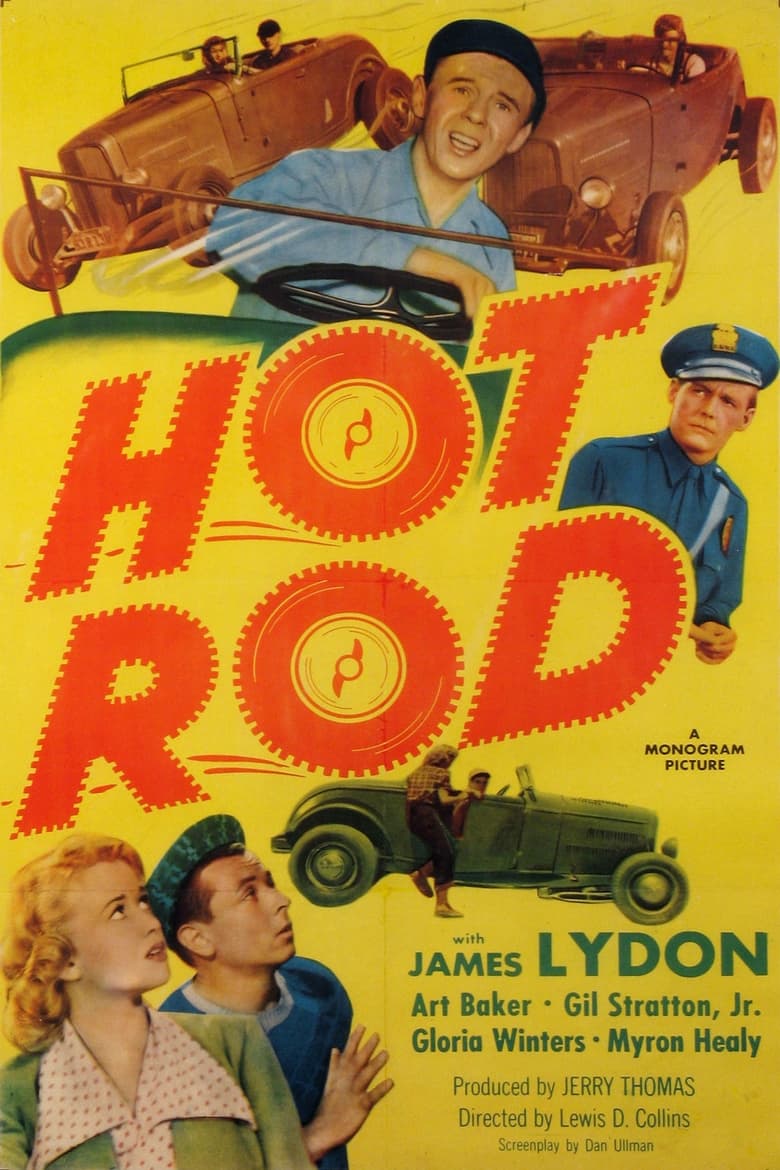
1950
ApprovedDirector
Lewis D. Collins
Runtime
61 minutes
Average Rating
No ratings yetSynopsis
A young man builds a hot rod despite the disapproval of his father, a Juvenile Court judge. Circumstantial evidence points to the innocent teenager when his car is involved in a hit-and-run accident and he must reconcile with his father.
Overall Score
Limited
Category Breakdown
LGBTQ+ Representation
The film lacks any evidence of LGBTQ+ characters or non-heteronormative narratives. It adheres strictly to the heteronormative social structures typical of 1950s action-dramas.
Gender Representation
The story centers on a patriarchal conflict between a father and son. It reinforces traditional hierarchies by focusing on masculine pursuits and male authority figures.
Racial & Ethnic Diversity
The narrative appears to reflect the homogeneous casting norms of the era. It focuses on a specific family unit without evidence of a diverse cast.
Religious & Cultural Diversity
The plot emphasizes respect for institutional order and the legal system. It centers on restoring familial stability and traditional authority through a judicial lens.
Disability Representation
There is no mention of characters with physical or neurodivergent disabilities. The narrative does not address disability representation.
Strengths
Areas for Improvement
AI Analysis
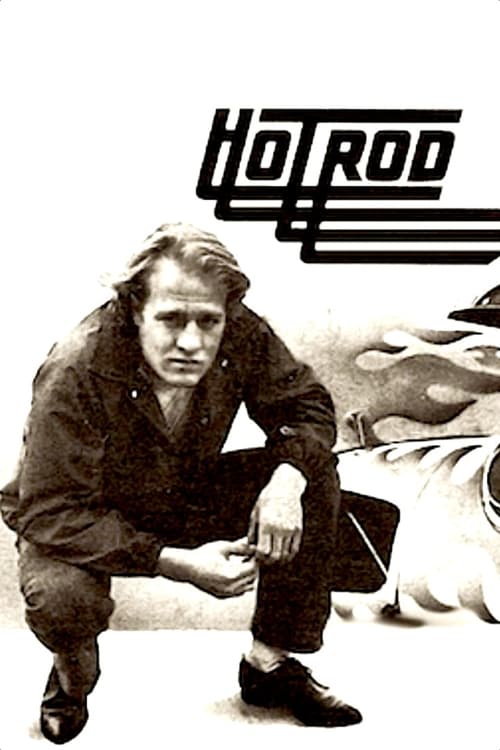
Hot Rod is a quintessential mid-century drama that prioritizes the reinforcement of established social institutions. The plot focuses on the reconciliation between a son and a father who serves as a Juvenile Court judge, emphasizing a return to traditional order. The film operates within the conventional demographic and gender hierarchies of 1950. It centers on masculine-coded interests like automotive culture and reinforces patriarchal authority rather than subverting it. Ultimately, the film functions as a standard social framework narrative. It lacks diversity across racial, gender, and LGBTQ+ spectrums, favoring a homogeneous and traditionalist worldview.
1961
1964
1969
1982
1965
1979
1978
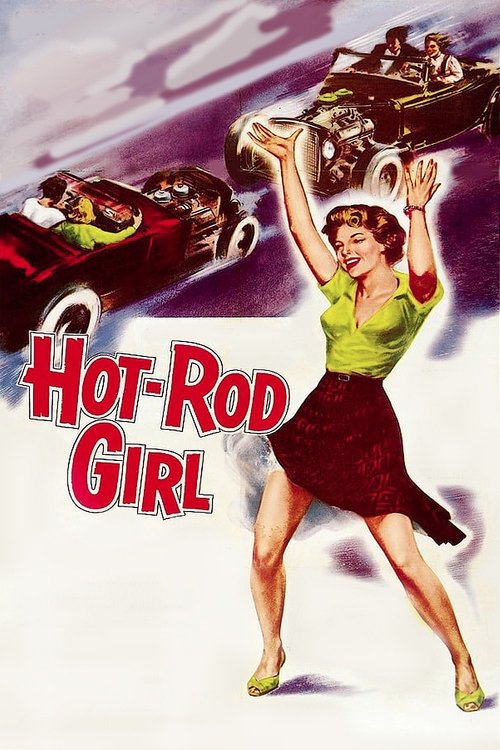
1956
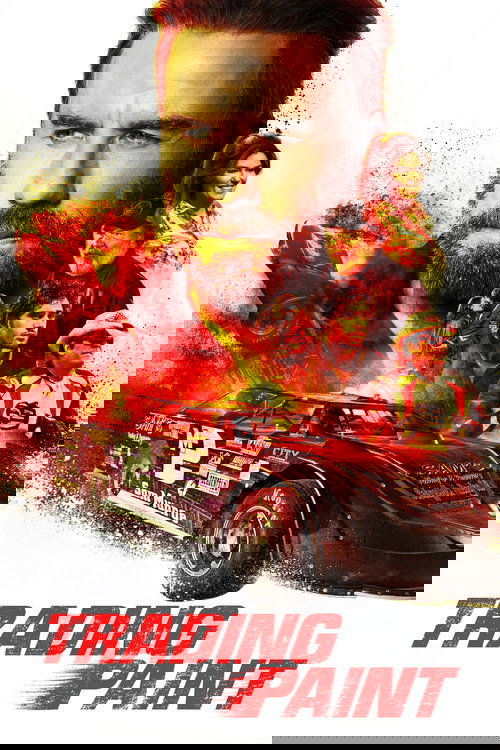
2019
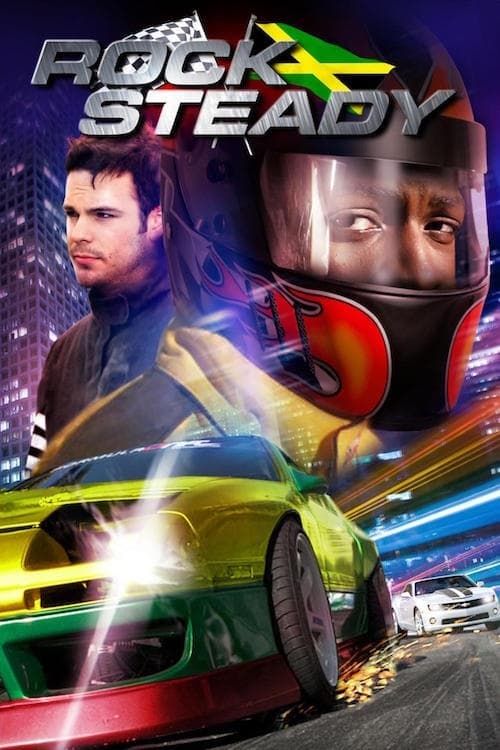
2010
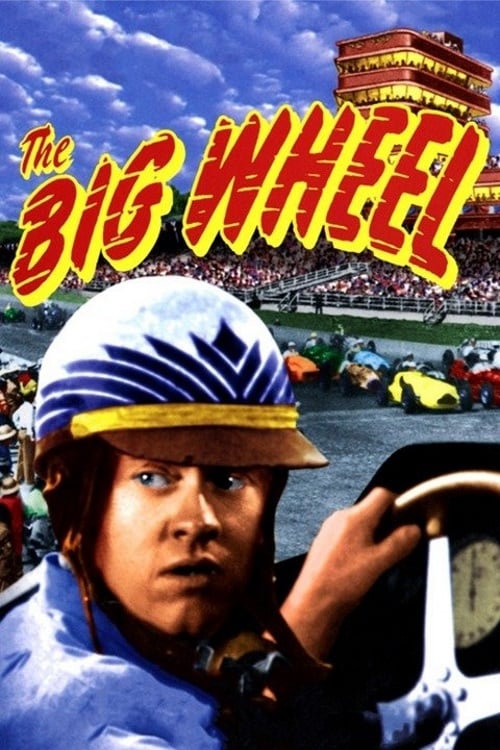
1949
1925
No reviews yet. Be the first to share your thoughts on this movie!
Use the rating form above to leave a star rating and optional review.