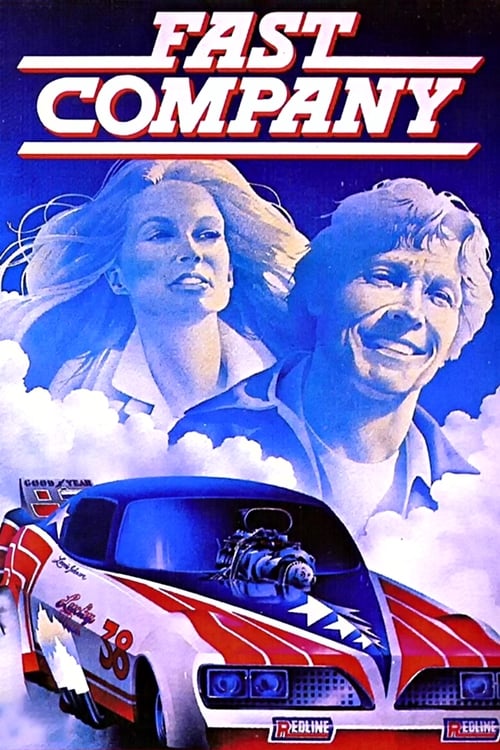
Fast Company
1979
No user ratings available yet
Representation score: 3.6 out of 10

Representation Score
Minimal
1979
TV-PGDirector
George Armitage
Runtime
97 minutes
Average Rating
No ratings yetNew Showbiz Analysis
Hot Rod is a period action-drama that leans heavily into traditional masculine-coded competition. The narrative structure reinforces conventional social hierarchies rather than challenging them through multi-layered approaches. The film's conflict is driven by individualistic rebellion against local authority. While this provides character-driven tension, it lacks the complexity required to address broader systemic or cultural issues. Ultimately, the production adheres to the social constraints of its 1930s setting, offering a standard genre experience without intentionally disrupting identity norms.
Category Breakdown
The film focuses on masculine camaraderie and the world of 1930s automotive culture. There is no indication of LGBTQ+ identities or narratives that question the assumption that everyone is straight or cisgender.
The story emphasizes male-dominated power structures and patriarchal frameworks. There is a noticeable lack of women's ability to drive the story or subversion of traditional gender roles.
Set in the 1930s, the film likely reflects the homogeneous social structures of that era. It lacks documented diverse ensemble elements or characters of color who play a significant role.
The story explores rebellion against a tyrannical town boss. However, this tension functions as a genre cliché rather than a structured critique of broader societal institutions.
The narrative focuses strictly on the physical prowess required for drag racing. There is no evidence of characters with visible or invisible disabilities.
Present on Screen
Limited or Absent
Official Synopsis
A freewheeling drag racer enters a local championship meet and finds himself head-to-head with the tyrannical town boss who has already arranged for his own son to win.
1979
1971
1969
1986

1981
1986
1986

1974
No reviews yet. Be the first to share your thoughts on this movie!
Use the rating form above to leave a star rating and optional review.