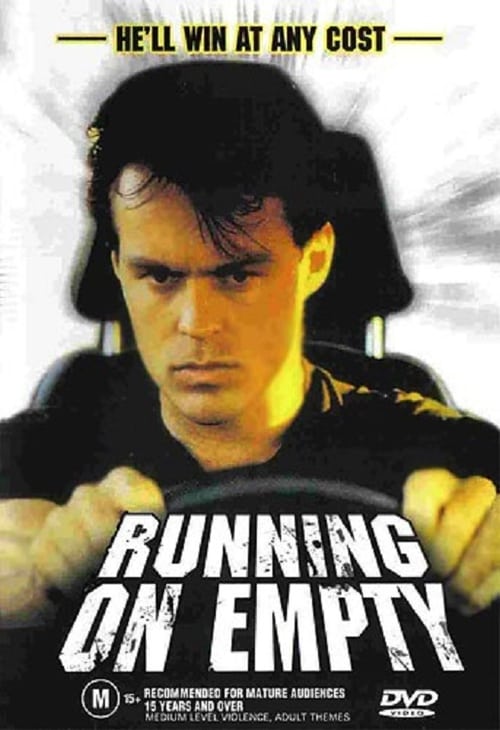
Running on Empty
1982
No user ratings available yet
Representation score: 2.3 out of 10
Representation Score
Limited
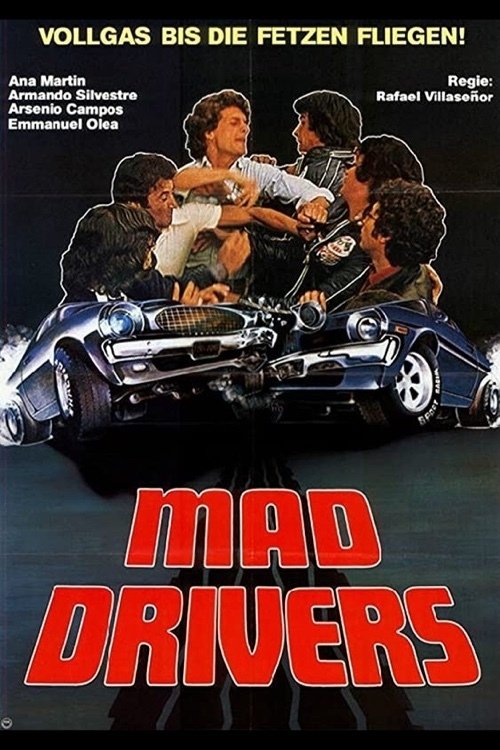
1978
Director
Rafael Villaseñor Kuri
Runtime
88 minutes
Average Rating
No ratings yetNew Showbiz Analysis
Ratas del asfalto is a genre-driven action-drama centered on the high-stakes world of drag racing. It prioritizes the dynamics of social privilege and urban danger over progressive social themes. The narrative adheres to the conventional social and gendered norms of late-1970s cinema, lacking intentional complexity or disruption of established hierarchies. Ultimately, the film explores class-based conflicts and the volatility of youth culture, rather than focusing on diverse or challenging representations.
Category Breakdown
The film does not include explicit LGBTQ+ characters or non-cisgender identities. It follows traditional gender roles typical of the time period.
The story revolves around a male-dominated drag racing culture. Although women are present, the main conflicts are driven by wealthy young men, reinforcing traditional masculine roles.
As a Mexican production, the film features a predominantly non-Anglo-Saxon cast. However, it does not delve deeply into the complexities of diverse ethnic backgrounds.
The film examines class tensions and youth delinquency. It does not explicitly challenge Western institutions or promote secular ideas to disrupt traditional moral frameworks.
There is no mention of characters with physical or neurodivergent disabilities in the film's documentation.
Present on Screen
Limited or Absent
Official Synopsis
Spoiled rich boys get into drag-racing and end up in beeg trobbles.
1982

1969

1988

1979

2007

1969

1986
1998
No reviews yet. Be the first to share your thoughts on this movie!
Use the rating form above to leave a star rating and optional review.