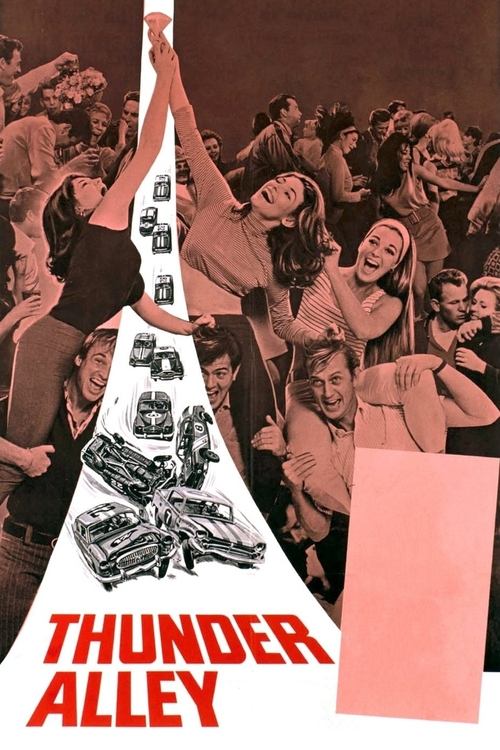
Thunder Alley
1967
No user ratings available yet
Representation score: 4.0 out of 10
Representation Score
Limited
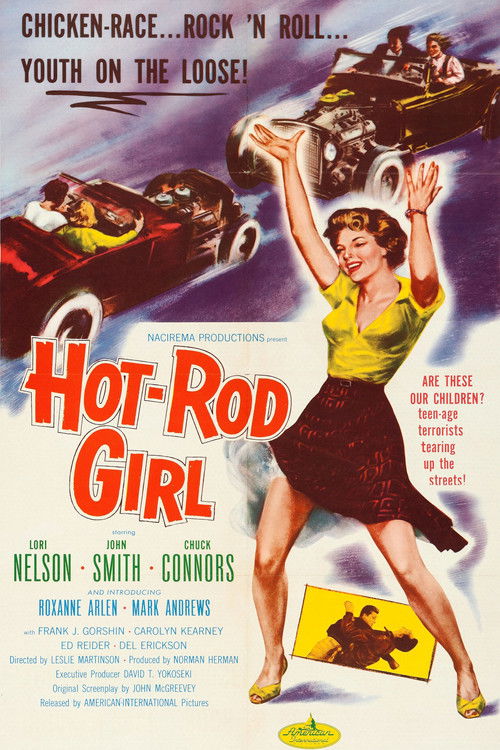
1956
NRDirector
Leslie H. Martinson
Runtime
79 minutes
Average Rating
No ratings yetNew Showbiz Analysis
Hot Rod Girl is a classic mid-century melodrama that adheres to traditional storytelling structures. The narrative focuses on themes of grief, competition, and authority, centered around traditional masculine archetypes and social roles. The film presents a singular, Anglo-centric viewpoint reflecting the demographic norms of 1950s genre cinema. Character motivations are tied to traditional roles rather than systemic critiques or progressive themes. Overall, the work reinforces established social norms and lacks meaningful representation for underrepresented groups.
Category Breakdown
The film follows typical 1950s conventions where everyone is assumed to be straight or cisgender. There are no characters with non-traditional gender identities.
The story revolves around male competition and conflict. Lisa Vernon plays a key role in the romance but mainly serves as a catalyst for male interactions rather than having her own independent role.
The film portrays a society focused on street racing with no indication of a diverse cast or inclusion of different racial perspectives.
The movie highlights traditional Western institutions and laws. It explores morality and personal responsibility through conventional means without challenging existing norms.
The death of a child is used as a tragic plot device. There are no characters with disabilities shown who play a significant role in driving the story or complexity.
Present on Screen
Limited or Absent
Official Synopsis
After his kid brother is killed in a street race, a champion drag-racer quits racing. However, a new kid comes to town determined to force him back into racing so he can take his title--and he's already taken his girlfriend.When his younger brother, Steve, is killed racing a hot-rod, Jeff Northup blames himself for the accident since he had built the car for his brother and had encouraged him to race it, with other boys on a special course provided by police detective Ben Merrill, who is working to reduce the city's hot-rod fatalities by providing supervision for the dangerous hobby. Jeff withdraws from participating in races on Merrill's course and, without his leadership, reverts to racing on the streets. "Bronc" Talbott, a newcomer, makes a play for Jeff's girlfriend, Lisa Vernon. Eventually, the taunting-Talbott forces Jeff into a race which results in the death of a bicycling child, and evidence seems to indicate Jeff was at fault.
1967
1971
1937
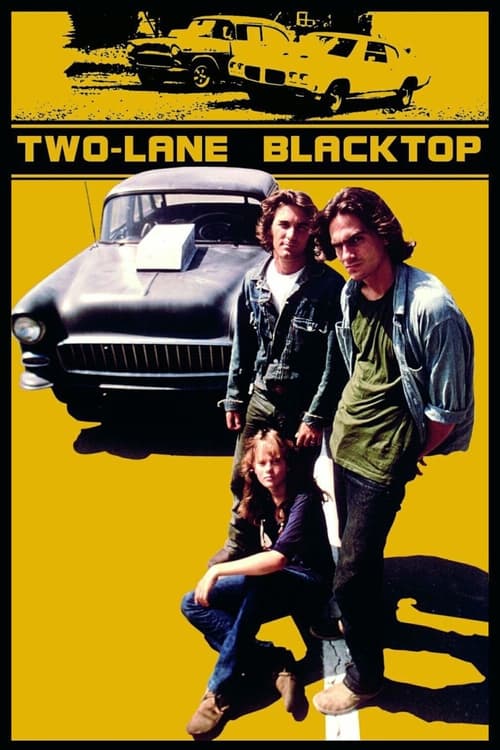
1971

1939
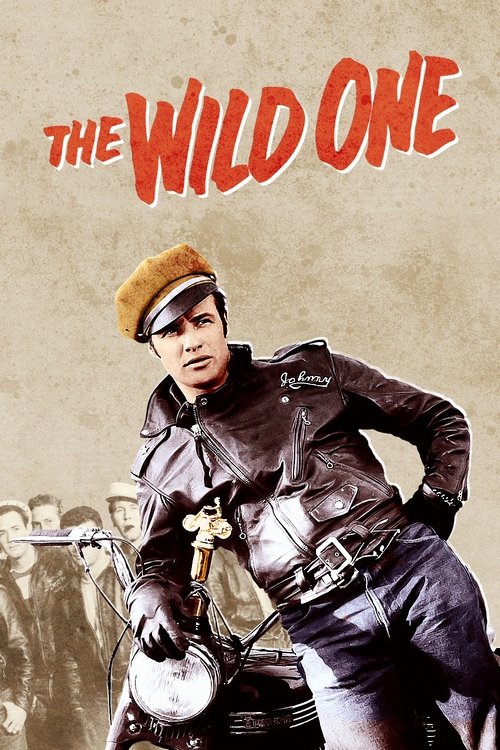
1953
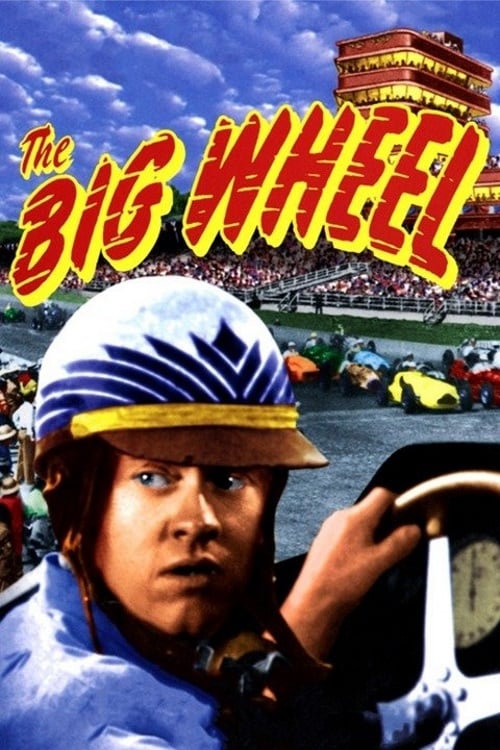
1949
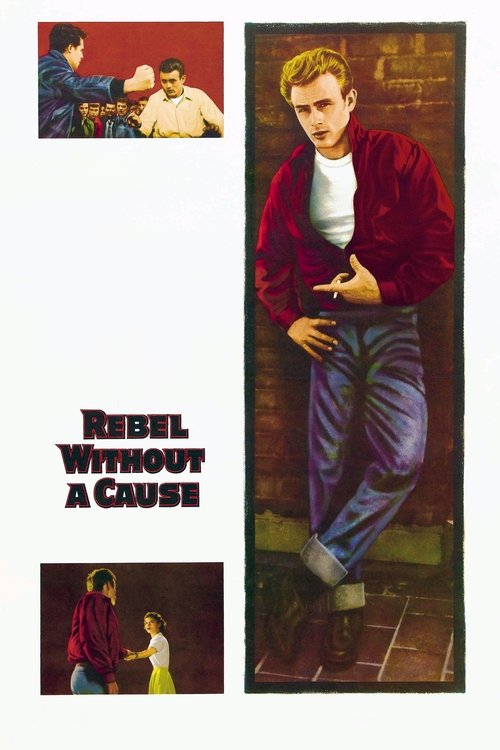
1955
No reviews yet. Be the first to share your thoughts on this movie!
Use the rating form above to leave a star rating and optional review.