
Pit Stop
1969
No user ratings available yet
Representation score: 0.9 out of 10

Representation Score
Limited
1969
PGDirector
James Goldstone
Runtime
123 minutes
Average Rating
No ratings yetNew Showbiz Analysis
Winning is a traditional mid-century drama that prioritizes individualist themes of competition and personal cost. The film adheres to the social constraints and demographic norms of its 1969 production era. The narrative structure minimally disrupts established social, racial, or gender hierarchies. It focuses on the psychological toll of racing rather than exploring diverse perspectives. Ultimately, the film serves as a character study of ambition within a largely homogeneous and conventional social framework.
Category Breakdown
The film operates within a strictly heterosexual framework. There are no LGBTQ+ characters or depictions of same-sex intimacy.
Male protagonists drive the narrative through high-stakes competition. Female characters primarily serve as emotional anchors or secondary figures defined by their relationships to men.
The cast and setting are predominantly homogeneous. The film depicts a largely Anglo-Saxon environment with no characters of color in positions of ability to act.
The story offers a nuanced look at the ethics of ambition and moral relativism. It functions as a character study of individual ambition within existing institutional frameworks.
There are no prominent depictions of visible or invisible disabilities. The narrative does not utilize neurodivergence or chronic illness as a central theme.
Present on Screen
Limited or Absent
Official Synopsis
Frank Capua is a rising star on the race circuit who dreams of winning the big one - the Indianapolis 500. But to get there he runs the risk of losing his wife Elora to his rival, Luther Erding, and strains the relationship with his stepson.
1969

1971
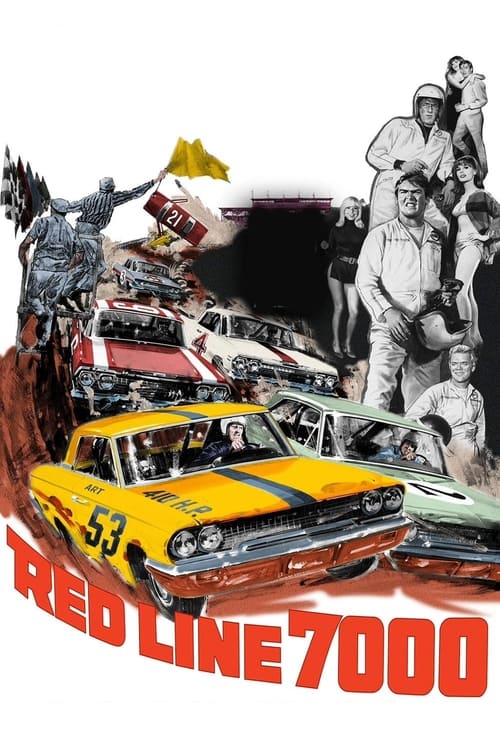
1965
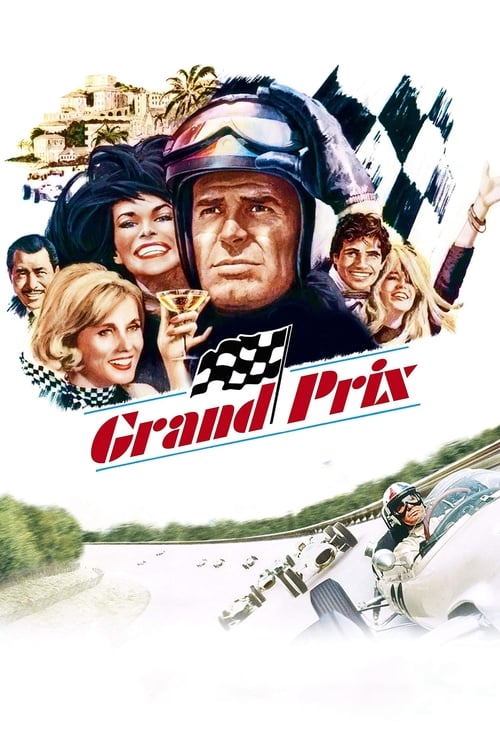
1966
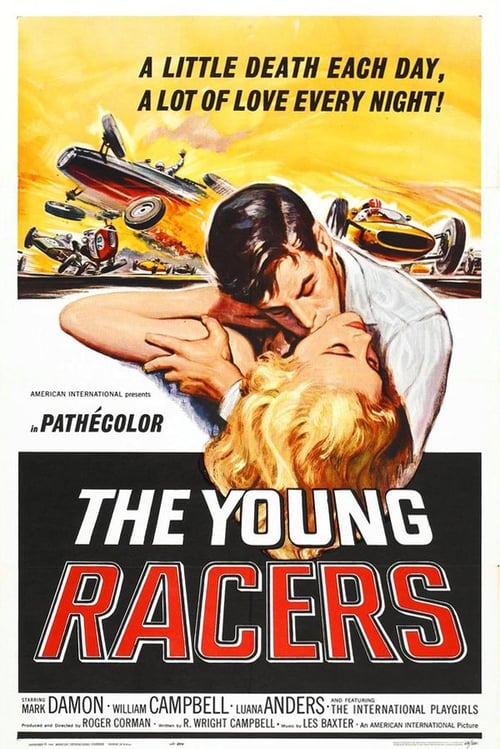
1963
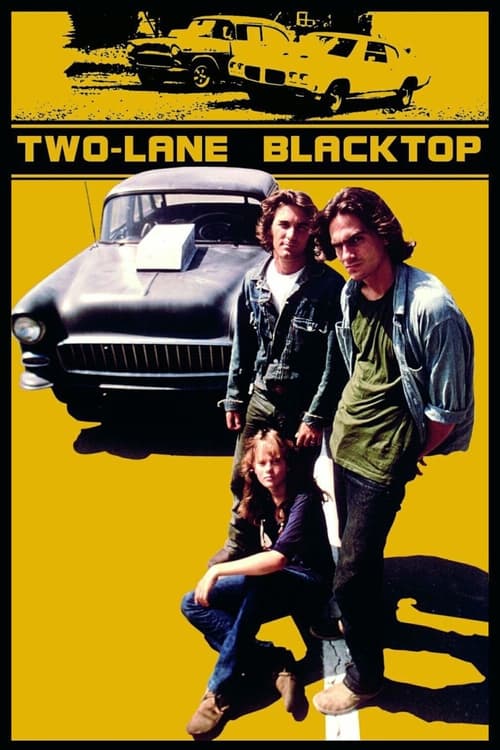
1971

2003

1971
No reviews yet. Be the first to share your thoughts on this movie!
Use the rating form above to leave a star rating and optional review.