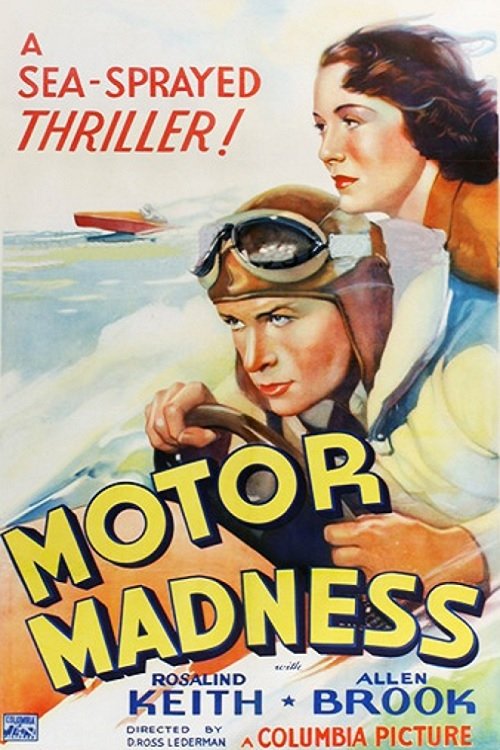
Motor Madness
1937
No user ratings available yet
Representation score: 2.0 out of 10
Representation Score
Minimal
1925
PassedDirector
Jay Marchant
Runtime
50 minutes
Average Rating
No ratings yetNew Showbiz Analysis
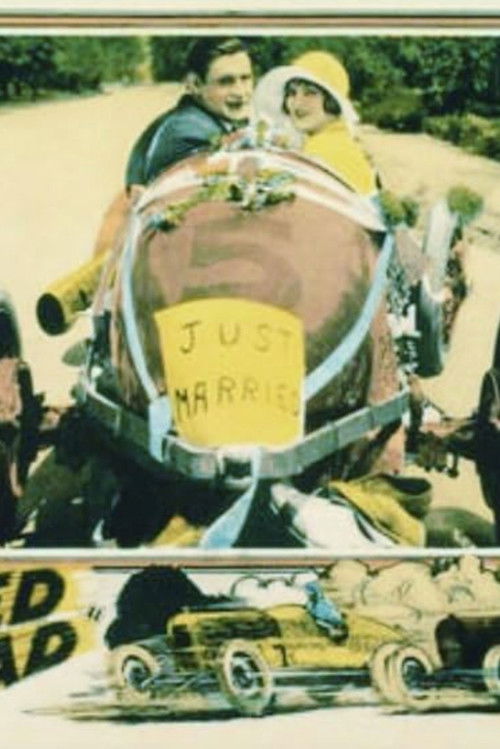
Speed Mad is a quintessential product of its era, adhering strictly to the social and narrative conventions of 1925. The film prioritizes conventional heroism and established social structures, offering little disruption of cultural norms. The story follows a standard action-drama trajectory where the male protagonist drives the plot through physical competition. While the stakes involve family stability, the film functions as a traditional genre piece rather than a vehicle for diverse representation. Ultimately, the film reflects a homogeneous worldview. It lacks depth in representing multiple aspects of identity, focusing instead on a narrow, straight-centered, and Western-centric perspective typical of early Hollywood action cinema.
Category Breakdown
The film does not depict any non-straight relationships or same-sex intimacy. The plot centers around a traditional romantic pairing between Bill Sanford and Betty Hampton.
Gender roles are strictly traditional, with Betty Hampton serving mainly as a romantic motivation for Bill Sanford. The narrative focuses on Bill's physical skills and driving abilities.
The cast appears homogeneous, reflecting the era's lack of diversity in action-romance films. There are no characters of color or significant racial blending in the story.
The story upholds early 20th-century Western values, emphasizing the preservation of the nuclear family and private property. It promotes a moral framework centered on individual heroism and social stability.
The narrative does not address any characters navigating physical or neurodivergent experiences. There are no disability-related themes in the plot.
Present on Screen
Limited or Absent
Official Synopsis
Bill Sanford (William Fairbanks), a daredevil race-car driver, is abducted by his main competitor Alan Lawson (Lloyd Whitlock) and his henchmen, on the eve of a race he hopes will win him $5,000. But he escapes his captors and arrives ate the race track just in time to drive his speedster to victory. With the prize money, he saves the father, Charles Hampton (Charles K. French) of his sweetheart Betty Hampton (Edith Roberts) from losing the family.
1937
1936

1939
1949
1936
1928
1956
1929
No reviews yet. Be the first to share your thoughts on this movie!
Use the rating form above to leave a star rating and optional review.