Dilemma
1962
No user ratings available yet
Representation score: 4.7 out of 10
Representation Score
Limited
2001
RDirector
Cristobal Krusen
Runtime
102 minutes
Average Rating
No ratings yetNew Showbiz Analysis
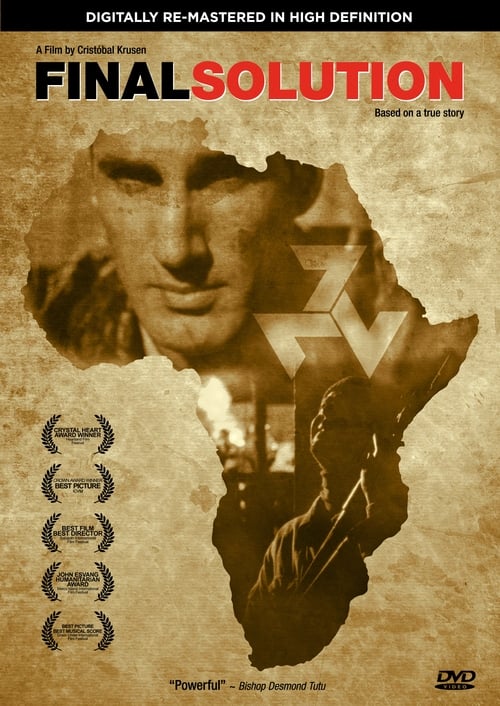
Final Solution is a moral parable that tackles the racial divisions of apartheid. It successfully includes Black characters who challenge the status quo and promote reconciliation. However, the film's overall structure remains rooted in traditional values, focusing on individual spiritual redemption and religious morality. Gender dynamics adhere to conventional patterns, with the plot driven by male-led ideological conflicts and resolved through personal transformation rather than the dismantling of systemic power structures.
Category Breakdown
The film focuses entirely on racial reconciliation and religious conversion. There is no evidence of non-straight-centered identities or critiques of the assumption that everyone is straight or cisgender within the plot.
The film focuses on male-driven conflict and resolution. Celeste's role is primarily defined by her influence on the male protagonist's ideological journey.
The movie addresses South African racial tensions by giving Black characters like Peter Lekota and Moses Moremi significant roles. These characters challenge the status quo and contribute to the dialogue on reconciliation.
The story revolves around traditional Western and religious values, emphasizing church and spiritual redemption as key elements for social harmony and peace.
The film does not include any characters with visible or invisible disabilities that play a central role in the plot or character development.
Present on Screen
Limited or Absent
Official Synopsis
The indoctrination of Gerrit Wolfaardt is complete: his family traditions, history, culture- even his church-have taught him that black South Africans are a cancer in the land. Under the eye of prominent members of the government and military, Gerrit develops a diabolical plan to rid South Africa of its "black danger." Before his plans can be carried out, he meets two people who will put him on a collision course with his future: Celeste, an open-minded University student, and Peter Lekota, a pastor who challenges Gerrit's prejudice. His "final solution" meets its greatest obstacle when Gerrit realizes he is wrong. The Persecutor becomes the Peacemaker and begins to seek reconciliation between whites and blacks. However, in the turbulent last days of apartheid, there are those who doubt his transformation. One such person is Moses Moremi, whom Gerrit had once violently attacked. In the end, it is Moses who must choose between peace and bloodshed.
1962

1989
1993
2008
2009
1997
1988

2010
No reviews yet. Be the first to share your thoughts on this movie!
Use the rating form above to leave a star rating and optional review.