A World Apart
1988
No user ratings available yet
Representation score: 4.8 out of 10
Representation Score
Fair
1962
Director
Henning Carlsen
Runtime
89 minutes
Average Rating
No ratings yetNew Showbiz Analysis
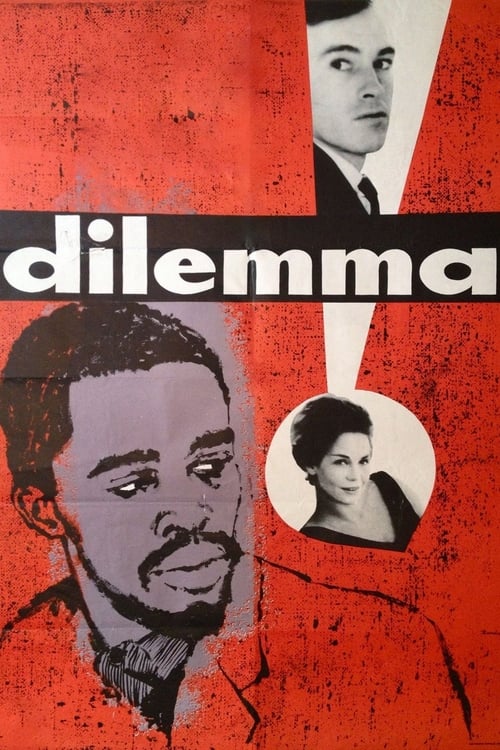
Dilemma stands out for its time by directly addressing the systemic injustices of apartheid. It uses the protagonist's journey to challenge a homogeneous Western perspective, offering a platform for racial critique through meaningful character interactions. However, the film remains rooted in traditional mid-century social frameworks. Female characters primarily serve as catalysts for the male lead's growth, and there is a lack of LGBTQ+ representation or disability visibility. Ultimately, the film's strength lies in its political engagement, even as it adheres to conventional gender roles and lacks diversity in other identity categories.
Category Breakdown
The film does not include any LGBTQ+ characters or explore non-straight relationships. It focuses on traditional mid-century interpersonal relationships without addressing queer identity or challenges to heteronormativity.
The story centers around a male protagonist's psychological crisis. Female characters mainly support his moral development rather than challenging traditional gender roles.
The film provides a nuanced look at apartheid-era South Africa by including Black characters such as Zaku Mokae, highlighting systemic oppression and the prejudices of the white minority.
The narrative critiques established social and political institutions through themes of moral relativism. It examines the tension between elite social structures and activist movements within a system of injustice.
There is no indication of the depiction of physical or neurodivergent disabilities in the film.
Present on Screen
Limited or Absent
Official Synopsis
The story begins when Toby (Ivan Jackson), a young English businessman, arrives in South Africa to take charge of a publishing firm. He knows little about apartheid and so at first sees no contradiction in developing a relationship with an elite, upper-class white woman and with a woman dedicated to fighting apartheid. But as Toby makes friends with one of the black South Africans (Zaku Mokae), and as he registers both the subtle and more obvious, deep-seated racial prejudices of the minority white population, some of the truth of the oppression here begins to dawn. That is brought to a head when tragedy strikes.
1988

1989
2001
1966
1981
1965
1959
1962
No reviews yet. Be the first to share your thoughts on this movie!
Use the rating form above to leave a star rating and optional review.