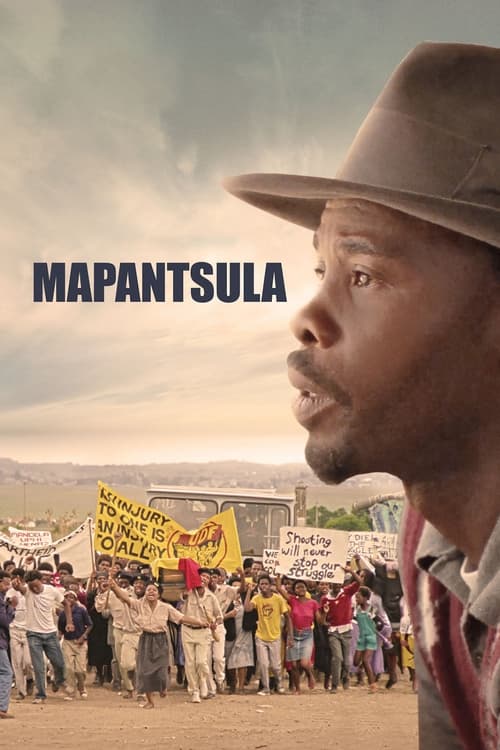
Mapantsula
1988
No user ratings available yet
Representation score: 4.3 out of 10
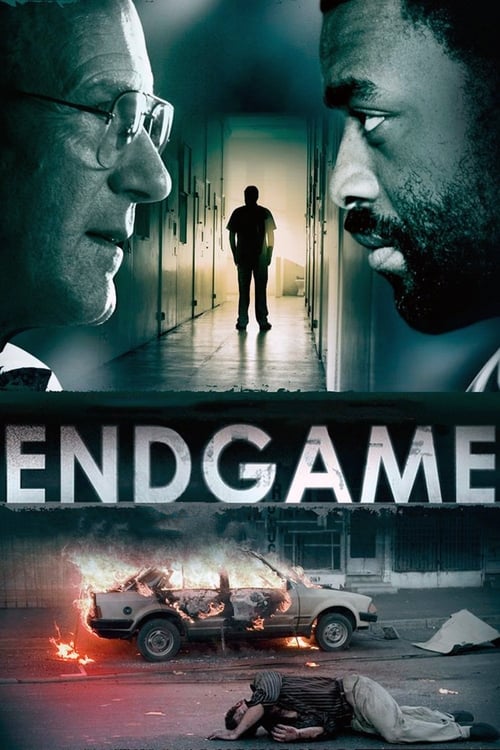
Representation Score
Fair
2009
PG-13Director
Pete Travis
Runtime
109 minutes
Average Rating
No ratings yetNew Showbiz Analysis
Endgame succeeds as a historical drama by providing meaningful ability to act to Black South African leaders during the anti-apartheid struggle. This disrupts standard Western-centric viewpoints of the era through a multi-ethnic lens. However, the film remains tethered to traditional social hierarchies. It lacks engagement with LGBTQ+ identities and disability-centric narratives, focusing instead on a narrow scope of political and corporate maneuvering. While the racial representation is a clear strength, the heavy reliance on male-dominated leadership and conventional gender roles limits the film's overall depth.
Category Breakdown
The film focuses strictly on high-stakes diplomatic maneuvering and political conflict. There is no discernible presence of LGBTQ+ characters or explorations of non-straight relationships.
The narrative centers on a male-dominated landscape of political negotiation and corporate interests. Men play a central role in driving the story, leaving the hierarchy largely conventional.
The film excels by depicting Black South African leadership as essential agents of change. It effectively utilizes the anti-apartheid movement to facilitate a complex, multi-ethnic narrative.
The story critiques institutionalized oppression by portraying the dismantling of apartheid. However, the involvement of a British mining concern adds a layer of capitalist interest to the themes.
There is no significant evidence of characters with visible or invisible disabilities driving the narrative. The focus remains on the intellectual and political capabilities of the protagonists.
Present on Screen
Limited or Absent
Official Synopsis
The time is the late '80s, a crucial period in the history of South Africa. President P.W. Botha is hanging on to power by a thread as the African National Congress (ANC) takes up arms against apartheid and the country tumbles toward insurrection. A British mining concern is convinced that their interests would be better served in a stable South Africa and they quietly dispatch Michael Young, their head of public affairs, to open an unofficial dialogue between the bitter rivals. Assembling a reluctant yet brilliant team to pave the way to reconciliation by confronting obstacles that initially seem insurmountable, Young places his trust in ANC leader Thabo Mbeki and Afrikaner philosophy professor Willie Esterhuyse. It is their empathy that will ultimately serve as the catalyst for change by proving more powerful than the terrorist bombs that threaten to disrupt the peaceful dialogue.
1988

1989

2022

2011
2008
2021
2001

2011
No reviews yet. Be the first to share your thoughts on this movie!
Use the rating form above to leave a star rating and optional review.