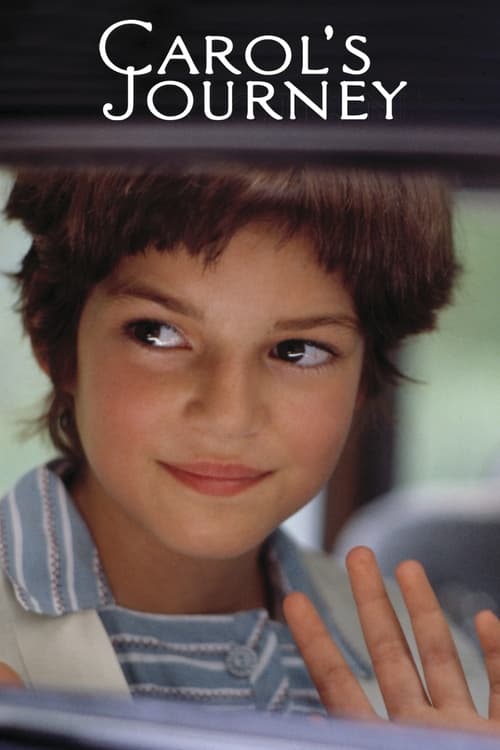
Carol's Journey
2002
No user ratings available yet
Representation score: 6.1 out of 10
Representation Score
Fair
1992
Director
Arantxa Lazkano
Runtime
92 minutes
Average Rating
No ratings yetNew Showbiz Analysis
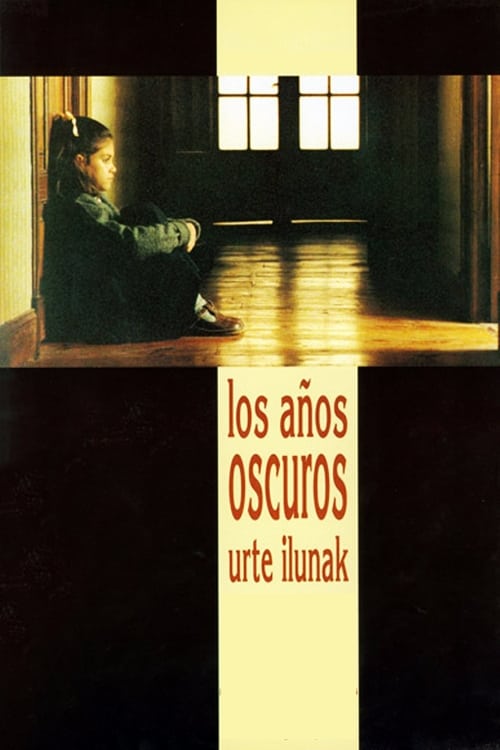
Dark Years is a sociopolitical drama that examines the tension between individual identity and institutional control. By centering on a young girl's experience, the film deconstructs the authority of the domestic and educational spheres. The film excels in its cultural specificity, using Basque identity to explore complex themes of heritage and politics. It provides a nuanced critique of traditional Western institutions like religion and the family unit. However, the film lacks representation regarding LGBTQ+ identities and disability. While it offers a sophisticated look at systemic repression, it remains focused on a specific, localized ideological conflict.
Category Breakdown
The film does not include explicit LGBTQ+ characters or non-straight identities. Instead, it focuses on the protagonist's struggle against traditional social and religious norms.
The story centers on a young girl named Itziar, who navigates patriarchal and rigid institutional hierarchies. Her perspective challenges the authority of adult-dominated religious and nationalist structures.
The film explores Basque identity through a specific ethnic and cultural lens. It examines the tension between regional heritage and dominant institutional forces within a localized context.
The narrative critiques organized religion and traditional family units as repressive forces. It highlights street and peer socialization as authentic alternatives to dogmatic, outdated education.
There is no mention of characters with visible or invisible disabilities within the narrative.
Present on Screen
Limited or Absent
Official Synopsis
Itziar is eight years old and lives in two very different worlds. On the one hand, the world of her disappointed Basque nationalist parents and, on the other, the religious school, which gives the girl a repressive and retrograde education. However, there is another kind of world, much nicer to Itziar, formed by the street and her friends.
2002
1976

2014
1985
2019
1981
2020
1983
No reviews yet. Be the first to share your thoughts on this movie!
Use the rating form above to leave a star rating and optional review.