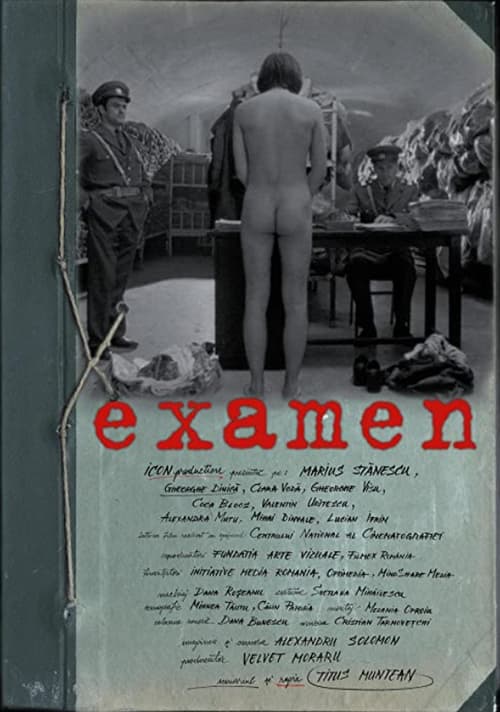
Exam
2003
No user ratings available yet
Representation score: 3.5 out of 10
Representation Score
Limited
1993
Director
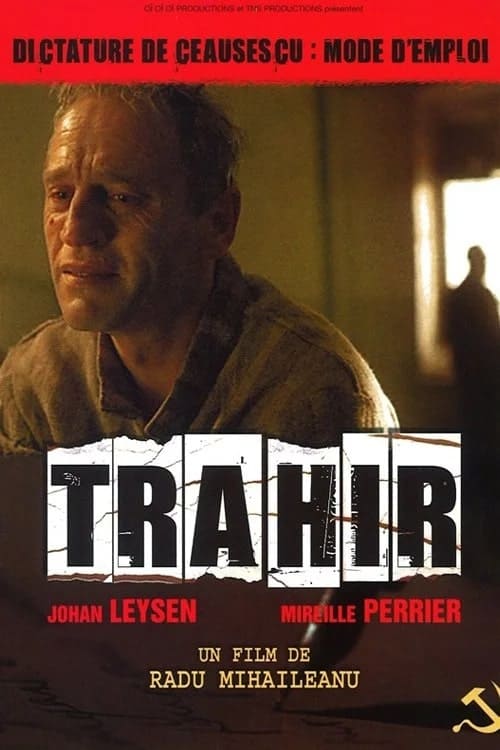
Radu Mihăileanu
Runtime
103 minutes
Average Rating
No ratings yetNew Showbiz Analysis
Betrayal is a localized, intellectually driven drama that prioritizes historical authenticity over a broad range of identities. Its narrow focus on the male poet's moral compromise limits its representation of gender and LGBTQ+ identities. However, the film excels in its cultural deconstruction of authority. It offers a profound look at how individuals navigate systemic oppression and the erosion of institutional integrity during Romania's socio-political transition. Ultimately, the work is a specific study of national identity and survival, trading broad demographic diversity for a deep, nuanced exploration of totalitarianism.
Category Breakdown
The film focuses on the political survival of a male protagonist and does not include queer narratives or non-cisgender identities, reflecting the historical context of Romania.
The story emphasizes the male experience of political persecution. Women are shown in traditional social roles but do not play a central role in the intellectual or moral struggle.
The cast is predominantly homogeneous, reflecting the ethnic demographics of Romania during that time. The film does not use diverse casting to address global themes.
The film provides a sophisticated critique of traditional power structures. It explores moral relativism and the skepticism needed to survive a corrupt, state-controlled system.
There is no evidence of physical or neurodivergent disabilities playing central roles or character arcs in the narrative.
Present on Screen
Limited or Absent
Official Synopsis
After the war, in Bucharest, a young Romanian poet arrested for having written an article denouncing Stalinist crimes, will save his life by accepting to become a hostage of the regime.
2003

1985
1993

1970

1978
1995
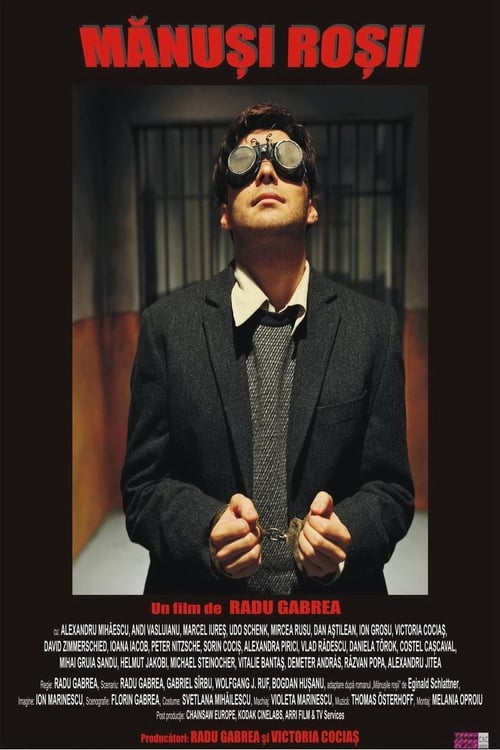
2010

1994
No reviews yet. Be the first to share your thoughts on this movie!
Use the rating form above to leave a star rating and optional review.