
Le Bal des casse-pieds
1992
No user ratings available yet
Diversity score: 3.2 out of 10
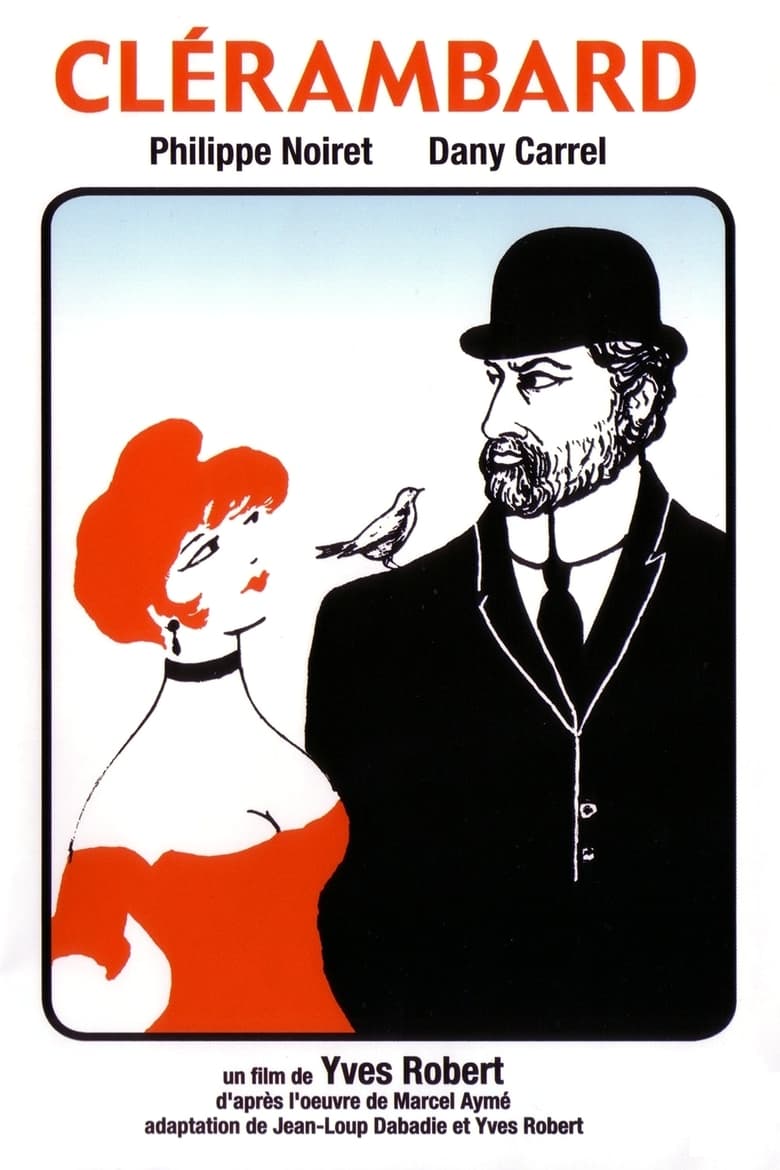
1969
Director
Yves Robert
Runtime
95 minutes
Average Rating
No ratings yetSynopsis
When a cruel man is visited by Saint Francis and convinced to change his ways, his family believes him to be insane and locks him away in order to sell his beloved castle
Overall Score
Limited
Category Breakdown
LGBTQ+ Representation
The film lacks LGBTQ+ characters or non-heteronormative identities. Romantic elements focus on traditional companionship without subverting heteronormative structures.
Gender Representation
Gender dynamics follow mid-20th-century conventions. Women occupy standard social roles, while central agency is driven by the male protagonist's transformation.
Racial & Ethnic Diversity
The cast is predominantly white, reflecting the demographic homogeneity of a rural French village. The narrative does not engage with racial or ethnic diversity.
Religious & Cultural Diversity
The story uses religious elements, specifically Saint Francis, to drive moral change. It focuses on individual morality rather than systemic institutional critique.
Disability Representation
The protagonist's perceived insanity drives the plot but relies on the 'eccentric elder' trope. It lacks a nuanced exploration of neurodivergence or lived experience.
Strengths
Areas for Improvement
AI Analysis
Clérambard is a traditionalist period comedy that prioritizes historical authenticity and individual moral arcs. The film adheres to the social and demographic norms of its 1940s setting, reinforcing conventional structures rather than disrupting them. The narrative centers on a male protagonist's spiritual transformation and the greed of his family. This focus results in a lack of intersectional representation or systemic critique. Ultimately, the film functions as a culturally specific historical snapshot. It lacks the intentionality required to challenge established hierarchies or promote diverse identity politics.
1992
1968

1963

1965

1971

1942
1953
1988
1958

1961

1983

1990
No reviews yet. Be the first to share your thoughts on this movie!
Use the rating form above to leave a star rating and optional review.