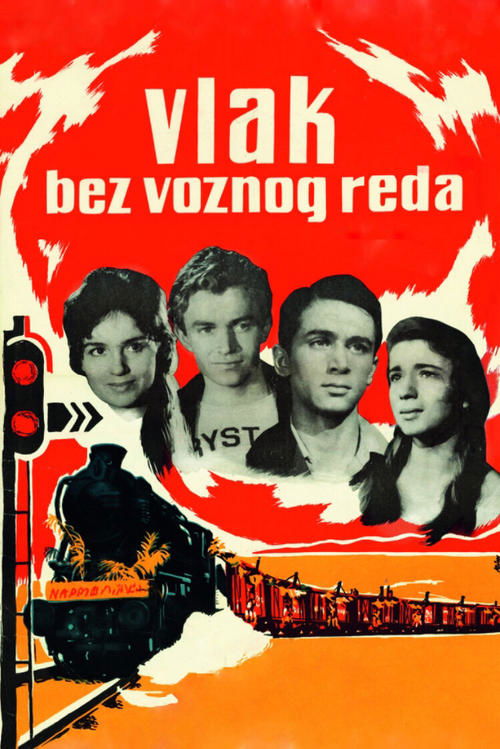
Train without a Timetable
1959
No user ratings available yet
Representation score: 6.6 out of 10

Representation Score
Fair
1987
Director
Ademir Kenović
Runtime
73 minutes
Average Rating
No ratings yetNew Showbiz Analysis
Ademir Kenović uses a remote Bosnian setting to avoid traditional heroic stories. The film's strength is in its ability to challenge official histories through a localized, disillusioned viewpoint. While the film succeeds in providing a non-Western cultural backdrop, it lacks specific details about LGBTQ+ or disability representation. The narrative focuses more on the complexities of regional identity and the human condition during post-war times.
Category Breakdown
The film does not show any non-binary gender identities. The time after World War II in Bosnia suggests a society where such identities might be hidden due to the era's strict norms.
The coming-of-age storyline likely questions traditional masculine roles. By highlighting bitterness, the film challenges the idea of tough, stoic masculinity and instead shows vulnerability.
The film is set in a Bosnian village with a diverse, non-Western population. This setting offers a backdrop that moves away from the typical Western perspective found in many films.
The film challenges happy post-war stories by showing bitterness. It focuses on personal, local experiences rather than grand nationalistic tales, criticizing centralized power structures.
There is no specific mention of characters with visible or invisible disabilities in the film.
Present on Screen
Limited or Absent
Official Synopsis
A bitter coming-of-age story about boy who grows up in a remote Bosnian village shortly after World War II.
1959

1948
1958

1996

1997

1997

2004
1986
No reviews yet. Be the first to share your thoughts on this movie!
Use the rating form above to leave a star rating and optional review.