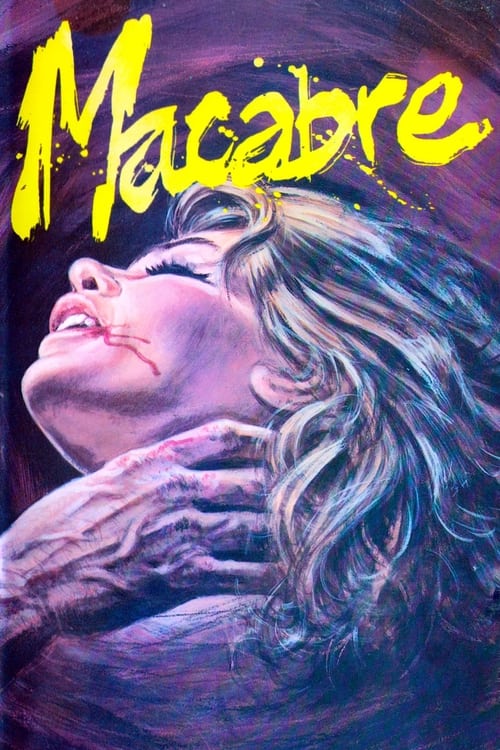
Macabre
1980
No user ratings available yet
Representation score: 3.0 out of 10

Representation Score
Minimal
1982
Director
Luiz Castellini
Runtime
80 minutes
Average Rating
No ratings yetNew Showbiz Analysis
The film adheres to the typical conventions of 1980s horror, emphasizing visceral thrills over social commentary. The narrative follows a classic tragic storyline that upholds traditional gender roles and straight-centered structures. Since the story focuses on a single romantic tragedy within a small community, it does not challenge broader social hierarchies. The representation remains limited, focusing on individual emotional responses rather than addressing multiple layers of diversity.
Category Breakdown
The film centers on a traditional heterosexual relationship between Patricia and Artur. It does not include any characters with non-binary or LGBTQ+ identities, nor does it critique straight-centered assumptions.
Patricia is portrayed primarily through her emotional reactions to male-driven violence. This portrayal reinforces stereotypes of female passivity and vulnerability in the face of male authority.
The rural setting implies a homogeneous community with little diversity. The film does not challenge or subvert local cultural norms or include diverse characters.
The film explores themes of vengeance and the afterlife through a supernatural lens. However, the conflicts remain centered around traditional family dynamics without critiquing broader societal structures.
There are no characters in the film dealing with physical disabilities, neurodivergence, or mental health issues.
Present on Screen
Limited or Absent
Official Synopsis
Patricia is in love with Artur, who works in her parents’ farm. Both are very happy and full of plans, but Artur is violently killed by her father, leading her to die of a broken heart. Years later, their souls begin to torment those who live in the house.
1980
1977

1981
1964

1972
1981
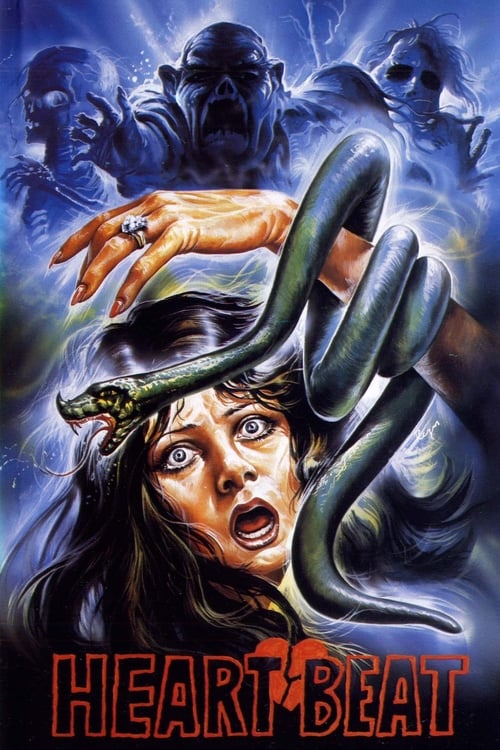
1983
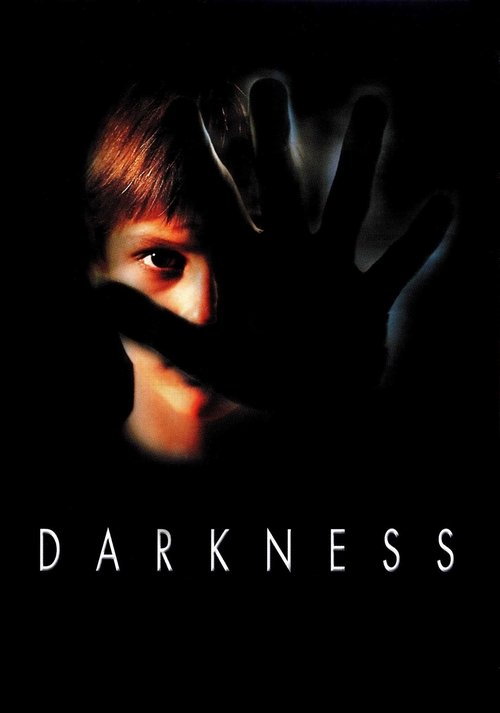
2002
No reviews yet. Be the first to share your thoughts on this movie!
Use the rating form above to leave a star rating and optional review.