Not Dead Enough
2005
No user ratings available yet
Representation score: 1.1 out of 10
Representation Score
Minimal
2002
RDirector
Charles Buchanan
Runtime
86 minutes
Average Rating
No ratings yetNew Showbiz Analysis
Until Death functions as a typical early-2000s psychological horror film that emphasizes established genre clichés over diverse representation. The narrative structure centers on a standard domestic thriller framework, focusing on personal retribution following marital betrayal. The film lacks engagement with diverse identities, instead focusing on a homogeneous social structure. While the protagonist seeks independence, the story remains tied to traditional romantic and familial structures rather than deconstructing systemic hierarchies. Ultimately, the work serves as a period-typical genre piece that relies on familiar social norms and localized conflict rather than offering a critique of social or cultural institutions.
Category Breakdown
The story revolves around a heterosexual couple and a supernatural haunting. There are no indications of LGBTQ themes or non-binary gender identities.
Emma tries to regain her independence through divorce, but the plot is driven by the male antagonist's psychological breakdown. The conflict remains centered on traditional gender roles within a domestic setting.
The narrative focuses on a local interpersonal conflict. It does not mention a diverse cast or multicultural settings, sticking to a homogeneous social structure.
The film upholds Western ideas of marriage and infidelity. It operates within established social norms without challenging religious or Western institutions.
There is no information about characters with physical or neurodivergent disabilities.
Present on Screen
Limited or Absent
Official Synopsis
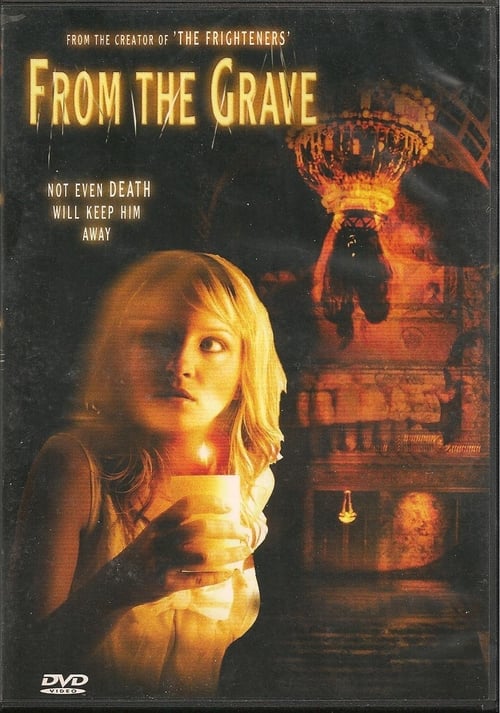
When Emma catches her husband, Martin, with another woman, she files for divorce. As she begins her new life, Martin stalks her, his anger turning to madness when she looks to their friend John for comfort. After a brutal fight with John, Martin is killed in a car crash as he races away from the scene. But now Emma's true nightmare begins as the ghost of her dead husband haunts her from the grave.
2005
1977
2003
1964
2008
2000
1990
1981
No reviews yet. Be the first to share your thoughts on this movie!
Use the rating form above to leave a star rating and optional review.