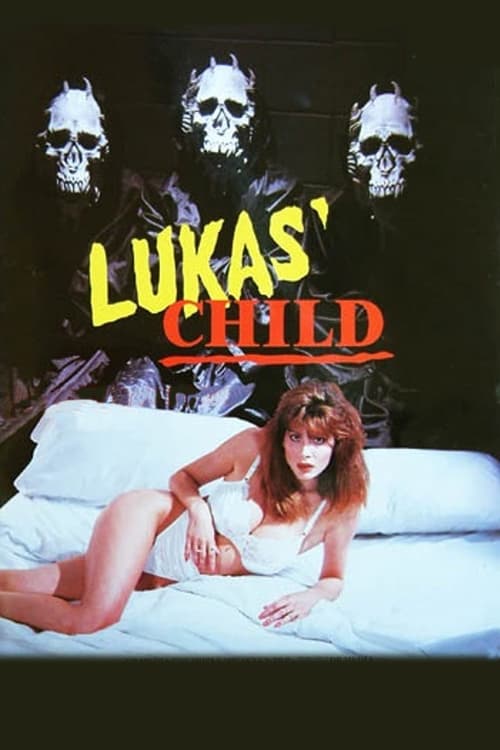
Lukas' Child
1993
No user ratings available yet
Diversity score: 2.6 out of 10
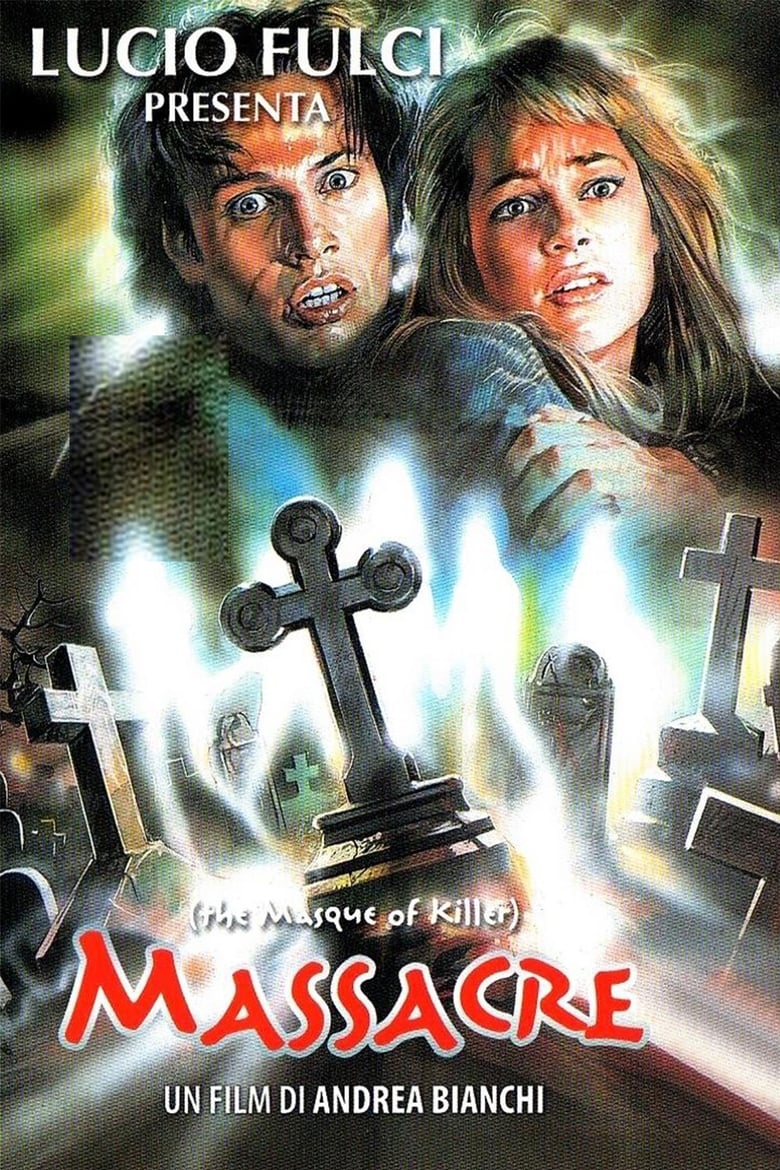
1989
Director
Andrea Bianchi
Runtime
89 minutes
Average Rating
No ratings yetSynopsis
A prostitute is brutally killed by the road side by a maniancal killer. Nearby a horror film is being produced but the director is worried that the script is too passé for a modern audience and so he plans to include a séance scene - he hires a real medium to carry out a ceremony with the cast and crew to help inspire the script but she is attacked by an evil spirit. Meanwhile members of the cast are being picked off one by one and police detective Walter is desperate to stop his girlfriend, the lead actress Jennifer, becoming the next victim...
Overall Score
Limited
Category Breakdown
LGBTQ+ Representation
The film lacks LGBTQ+ characters or narratives that critique heteronormativity. It relies on a traditional slasher framework centered on a detective and his girlfriend.
Gender Representation
Female characters primarily serve as targets of violence or vessels for the supernatural. The female lead's role is defined by vulnerability and her relationship to a male detective.
Racial & Ethnic Diversity
The production appears to be a homogeneous European effort typical of the late 1980s. There is no evidence of diverse casting or identities used to challenge historical norms.
Religious & Cultural Diversity
Spiritualism is used as a genre device through a séance scene rather than a critique of institutions. The film adheres to standard Western horror tropes and social structures.
Disability Representation
There is no mention of characters with visible or invisible disabilities. Disability is not utilized as a narrative or plot device in this story.
Strengths
Areas for Improvement
AI Analysis
Massacre is a standard late-1980s Italian horror film that prioritizes genre tropes over social commentary. The narrative follows a predictable slasher structure, focusing on a detective attempting to protect his girlfriend from a killer. The film lacks intentionality regarding intersectional representation. It relies heavily on traditional gender hierarchies and heteronormative romantic structures, offering little in the way of diverse perspectives or systemic subversion. Ultimately, the production reflects the demographic norms of its era, functioning as a conventional genre piece rather than a work that challenges social or cultural hierarchies.
1993
1982
2005
1988
1995
1990

2000
1974
1975
1989
1983
1985
No reviews yet. Be the first to share your thoughts on this movie!
Use the rating form above to leave a star rating and optional review.