The Song of Stockholm
1981
No user ratings available yet
Representation score: 5.0 out of 10
Representation Score
Fair
1967
Director
Jonas Mekas
Runtime
15 minutes
Average Rating
No ratings yetNew Showbiz Analysis
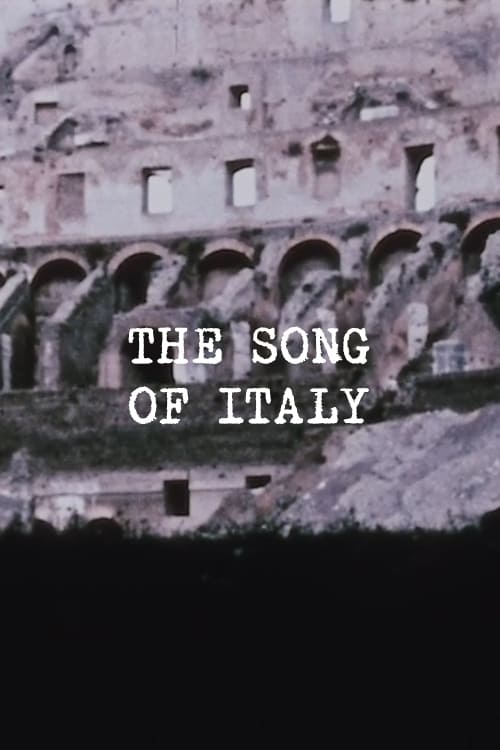
The Song of Italy functions as an experimental ethnography rather than a vehicle for identity politics. Its strength lies in its disruption of conventional documentary formats through a fragmented, subjective perspective. It emphasizes the filmmaker's personal viewpoint over institutionalized truths. While the film steers clear of modern cinema's social agendas, its refusal to follow traditional cinematic hierarchies sets it apart from conservative mainstream storytelling. It captures a specific historical moment in Italy without aiming for a diverse social commentary. Ultimately, the film serves as a temporal record of a homogeneous locale. It lacks overt representation across most identity categories, yet its avant-garde approach challenges the structures that typically govern mainstream depictions of reality.
Category Breakdown
The film does not include explicit representations of LGBTQ+ identities or intimate relationships. Its avant-garde style deviates from typical mainstream structures, but there is no clear evidence of overt LGBTQ+ representation.
The documentary showcases a range of people in Italian society through street and rural scenes. It avoids studio-driven stereotypes but does not significantly challenge traditional gender roles.
As a study of 1967 Italy, the footage primarily features a homogeneous population. It serves as a historical record rather than a platform for diverse casting.
The film eschews grand nationalistic stories in favor of personal subjectivity. By highlighting everyday beauty, it subtly questions traditional patriotic and institutional themes.
The film focuses on landscapes and street scenes and does not provide any clear indication of how individuals with disabilities are represented.
Present on Screen
Limited or Absent
Official Synopsis
Filmed during Jonas Mekas’s travels through Italy in 1967, this short captures scenes from the country’s cities and countryside. The footage was later included in his 2003 compilation film Travel Songs (1967–1981).
1981
1929
1967

1983
1971
1981
1967
1976
No reviews yet. Be the first to share your thoughts on this movie!
Use the rating form above to leave a star rating and optional review.