
The Song of Avila
1967
No user ratings available yet
Representation score: 2.9 out of 10
Representation Score
Fair
1967
Director
Jonas Mekas
Runtime
2 minutes
Average Rating
No ratings yetNew Showbiz Analysis
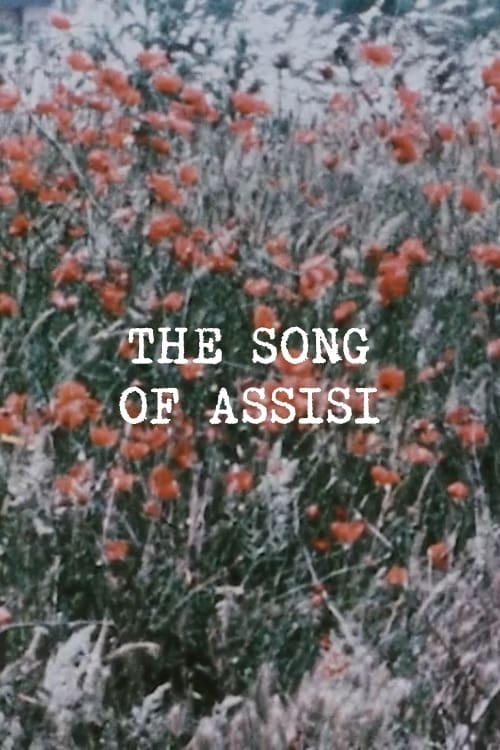
The Song of Assisi is a personal travelogue that emphasizes the director's subjective sensory experience. Since it is not a structured narrative, it does not engage deeply with social or identity politics. Representation in the film is a result of its geographic and temporal context. It reflects the demographic reality of 1967 Italy without actively challenging traditional hierarchies or identity politics. Ultimately, the film's strength lies in its formalist observation of a spiritual location, presenting a neutral, impressionistic view rather than a vehicle for demographic or social representation.
Category Breakdown
The film does not include any explicit LGBTQ+ characters or narratives. It focuses on sensory experiences rather than social identity politics.
The film does not highlight or subvert traditional gender hierarchies. It simply captures people in Assisi without emphasizing gender roles.
The film reflects the predominantly Eurocentric population of 1967 Italy. It captures the local population but does not intentionally blend races or represent non-European majorities.
Mekas presents an impressionistic, subjective view of a religious site. He avoids rigid dogma, focusing instead on a modern, personal interpretation of sacred space.
The film does not feature any individuals with visible or invisible disabilities. There are no narrative devices centered around disability.
Present on Screen
Limited or Absent
Official Synopsis
Filmed during Jonas Mekas’s visit to Assisi in 1967, this short documents his time in the city known for its spiritual associations. The footage was later incorporated into his 2003 compilation film Travel Songs (1967–1981).
1967

1967

1981

1971

1981

1998
1976

1972
No reviews yet. Be the first to share your thoughts on this movie!
Use the rating form above to leave a star rating and optional review.