The Song of Stockholm
1981
No user ratings available yet
Representation score: 5.0 out of 10
Representation Score
Fair
1971
Director
Jonas Mekas
Runtime
3 minutes
Average Rating
No ratings yetNew Showbiz Analysis
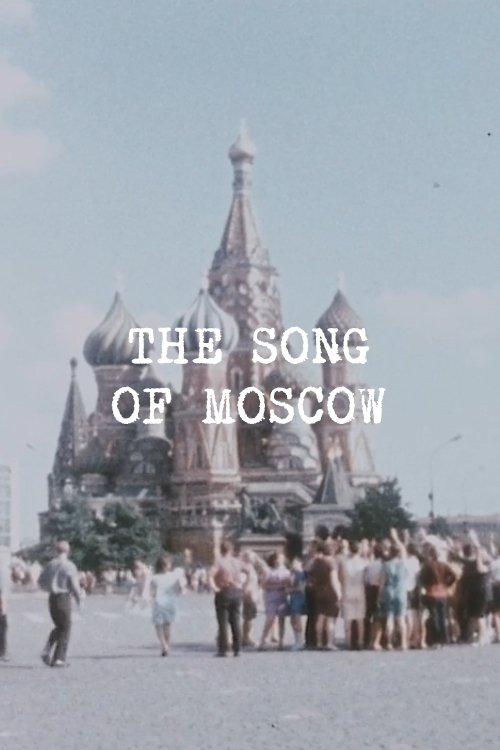
The Song of Moscow serves as a subjective, experimental record of the Soviet Union. Its primary strength lies in its ideological positioning, using a personal lens to disrupt the traditional, objective gaze of mainstream journalism and state-sponsored media. By documenting life within a non-Western landscape during the Cold War, the film challenges the dominance of Western media perspectives. It functions as a piece of narrative architecture that deconstructs conventional geopolitical storytelling through its non-linear, observational mode. However, the film lacks the explicit, character-driven intersectionality found in modern scripted works. While it avoids traditional cinematic hierarchies, it does not provide documented evidence of specific identity-based representation for LGBTQ+ or disabled individuals.
Category Breakdown
The film does not explicitly depict LGBTQ+ identities or non-cisgender expressions. Despite the director's avant-garde style, which often aligns with queer sensibilities, the documentary remains neutral in its observational approach.
The documentary avoids the rigid, patriarchal narratives common in 1970s cinema. However, it lacks specific evidence of gender-subverting character arcs to move beyond a moderate score.
The footage offers a non-Western perspective that challenges the Anglo-centric dominance of the era. It serves as a cross-cultural exchange, though the subjects' roles in driving the story are unconfirmed.
Mekas provides a vital counter-narrative to the capitalist, Western-centric viewpoints of 1971. The film offers a humanistic view of Soviet life, challenging the ideological opposition typical of the Cold War.
There is no specific evidence regarding the portrayal of individuals with disabilities within the available documentation.
Present on Screen
Limited or Absent
Official Synopsis
Filmed during Jonas Mekas’s visit to the Soviet Union in 1971, this short presents a personal record of Moscow. The footage was later incorporated into Mekas’s 2003 compilation film Travel Songs (1967–1981).
1981
1929
1967
1981
1967
1967

1972
1976
No reviews yet. Be the first to share your thoughts on this movie!
Use the rating form above to leave a star rating and optional review.