The Dowry of Lady Ralu
1972
No user ratings available yet
Diversity score: 4.3 out of 10
1975
Director
Sergei Tarasov
Runtime
92 minutes
Average Rating
No ratings yetSynopsis
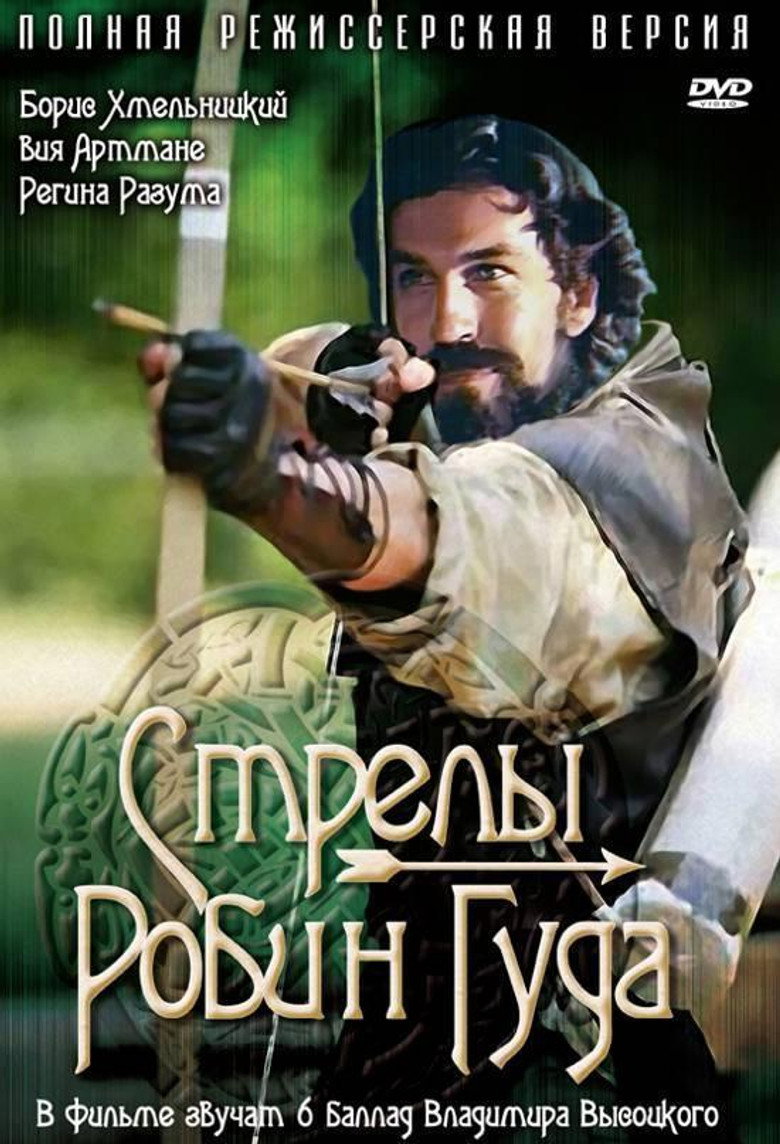
With a traditional archery contest, the winner wins a silver arrow with gold lace and gold feathers. Even Robin Hood, although unrecognizable, takes part in this competition. As more and more participants are losing and Robin Hood eventually wins the award, his masquerade reveals. For none of the participants is as handy with a bow and an arrow like Robin Hood. With the help of his coolness and his friends Robin Hood may escape the dangerous situation.
Overall Score
Fair
Category Breakdown
LGBTQ+ Representation
The film adheres to traditional heteronormative structures. There is no depiction of non-cisnormative identities or same-sex intimacy, focusing instead on the classic romance between Robin Hood and Maid Marian.
Gender Representation
Narrative agency is concentrated in male protagonists who drive the physical and political conflicts. While female characters exist, the film reinforces traditional masculine leadership and period archetypes.
Racial & Ethnic Diversity
The production utilizes a primarily Slavic cast to portray European historical figures. This results in a homogeneous ethnic profile without the use of race-blind casting.
Religious & Cultural Diversity
The story excels in critiquing Western institutional power by framing the nobility as corrupt. It prioritizes the struggle of the peasantry against a predatory, centralized state.
Disability Representation
There is no discernible focus on neurodivergence or physical disabilities. Characters with disabilities are not utilized as central drivers within the narrative.
Strengths
Areas for Improvement
AI Analysis
The film functions as a cinematic exploration of class struggle through the lens of socialist realism. It prioritizes the deconstruction of feudal hierarchies over a standard adventure tale, framing Robin Hood's actions as a necessary disruption of corrupt systems. While the production lacks contemporary identity-based representation regarding race, gender, and LGBTQ+ identities, it offers a sophisticated critique of power. The narrative replaces traditional notions of law and order with a framework of class-based empowerment. Ultimately, the film's strength lies in its cultural subversion of aristocratic authority rather than its diversity of individual identities.
1972
1961
1960
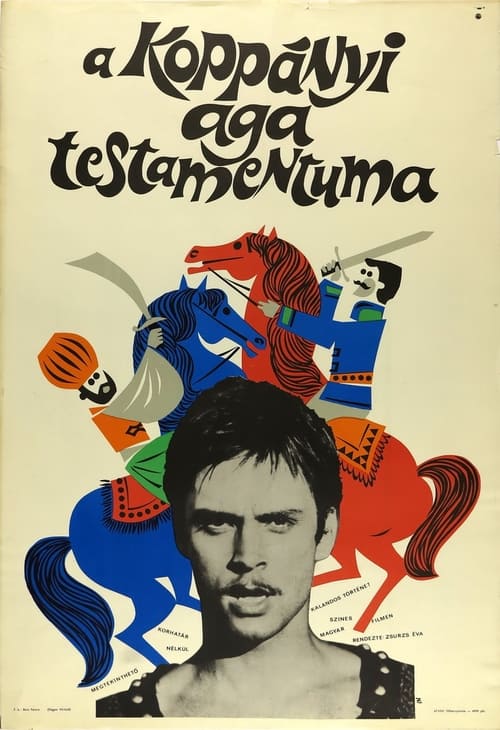
1967
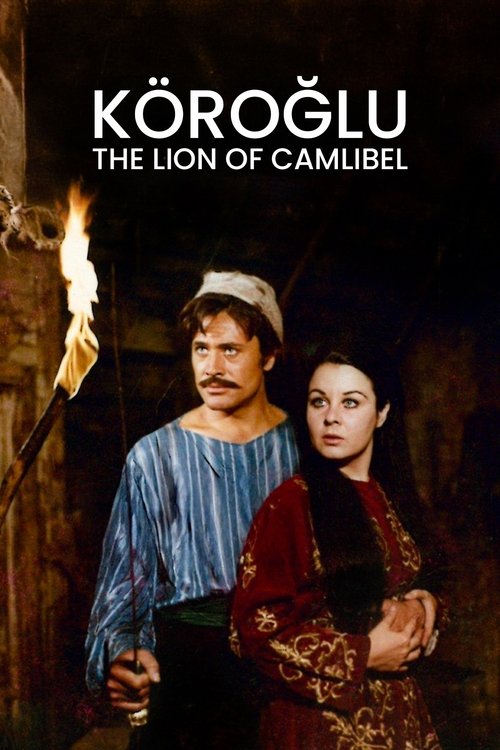
1968
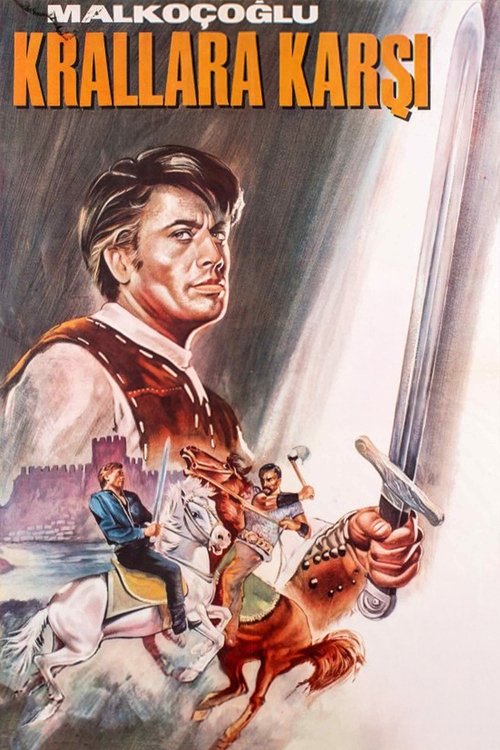
1967
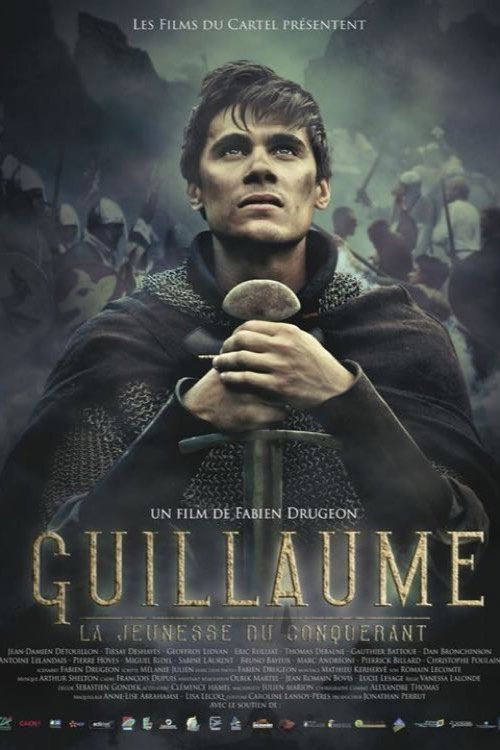
2015
1972
1970
1987
1969
1992
No reviews yet. Be the first to share your thoughts on this movie!
Use the rating form above to leave a star rating and optional review.