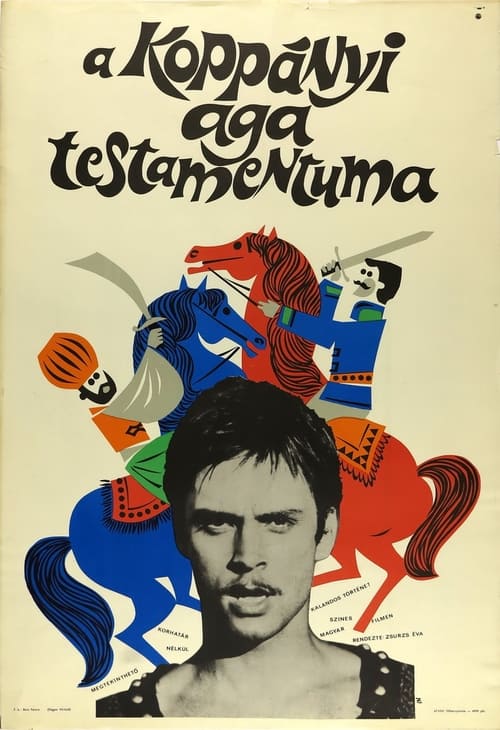
The Aga's Testament
1967
No user ratings available yet
Diversity score: 3.8 out of 10
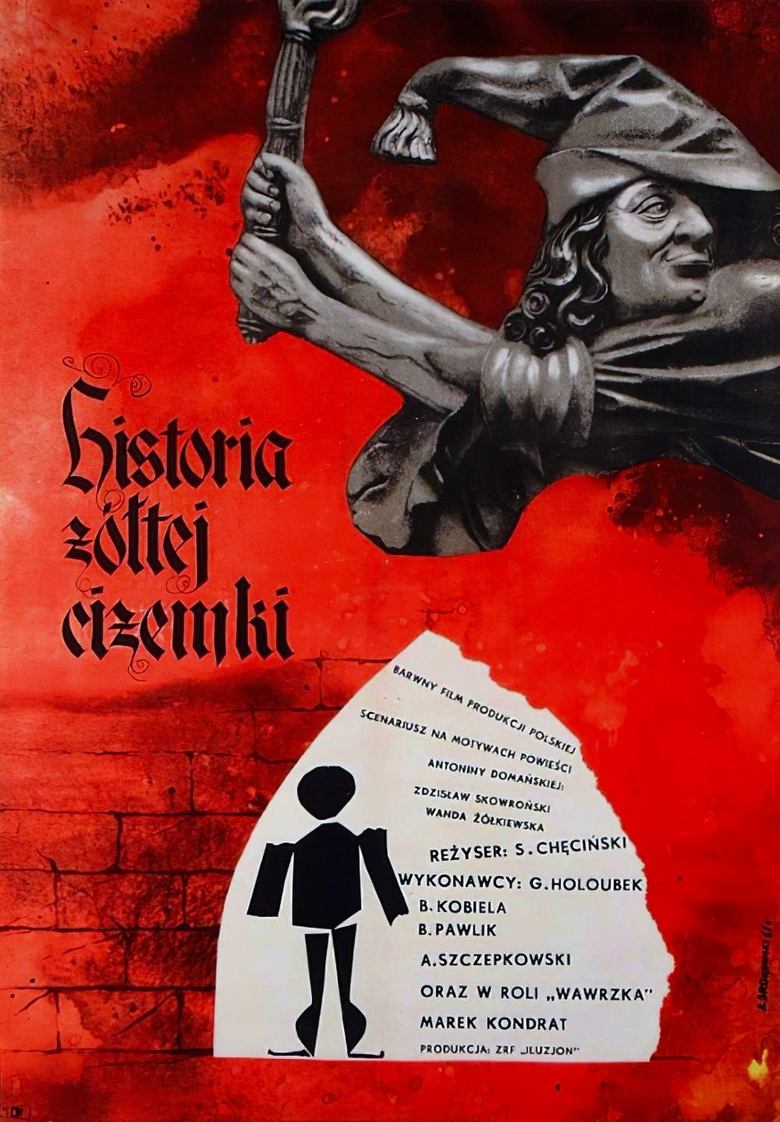
1961
Director
Sylwester Chęciński
Runtime
83 minutes
Average Rating
No ratings yetSynopsis
Set in the Middle Ages the film tells the story of a wonder child, the little sculptor Wawrzek, who goes to work for a great master, Wit Stwosz. The story culminates in the unveiling of Stwosz's greatest masterpiece, the Altar of St. Mary's Church in Cracow.
Overall Score
Limited
Category Breakdown
LGBTQ+ Representation
The film contains no discernible narrative focus on queer identities. It adheres to the social constraints of its era without providing any LGBTQ+ characters or subtext.
Gender Representation
The story is driven by male-centric pursuits, focusing on the apprenticeship of Wawrzek and the journey of Wit Stwosz. Women lack significant intellectual or structural agency in the narrative.
Racial & Ethnic Diversity
The film presents a culturally homogeneous Polish setting. While ethnically consistent with its medieval context, it does not utilize intersectional casting to disrupt conventional expectations.
Religious & Cultural Diversity
The narrative uses satire to critique greed and superstition within the community. It offers a nuanced look at socioeconomic structures and the complexities of human morality.
Disability Representation
There is no evidence of characters with visible or invisible disabilities. Disability is not utilized as a thematic element or a tool for character development.
Strengths
Areas for Improvement
AI Analysis
Story of the Golden Boot is a period-specific historical adventure that prioritizes social realism and satire over modern intersectional representation. The narrative focuses on the artisan class and the tension between artistic mastery and the socioeconomic realities of the peasantry. While the film provides a sophisticated critique of human nature and communal superstition, it remains demographically traditional. The storytelling centers on male professional journeys and maintains a culturally homogeneous Polish setting consistent with its medieval timeframe. Ultimately, the film functions as a localized study of human folly rather than a diverse or globalized narrative, adhering to the social hierarchies of its setting.
1967
1978
1967
1972
2015
1970
1969
1960
1987

1954

2018
1969
No reviews yet. Be the first to share your thoughts on this movie!
Use the rating form above to leave a star rating and optional review.