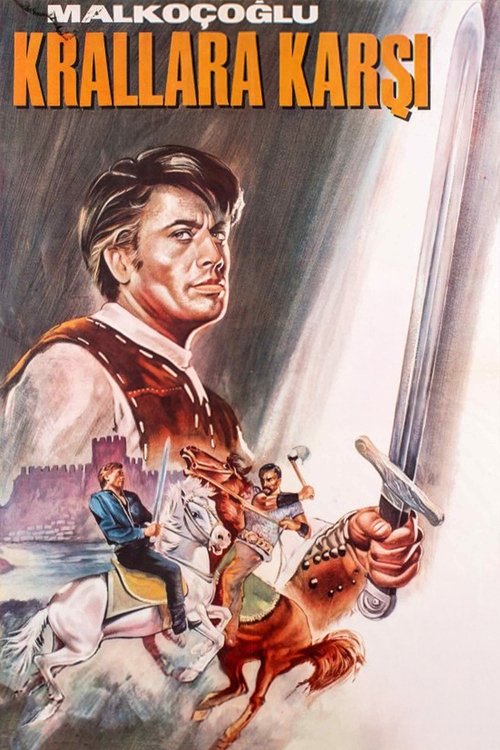
Malkoçoğlu vs The Kings
1967
No user ratings available yet
Representation score: 3.3 out of 10
Representation Score
Minimal
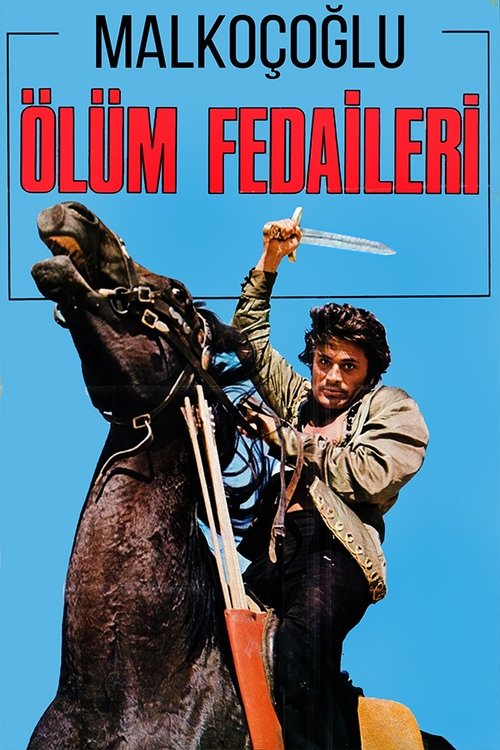
1972
Director
Remzi Jöntürk, Ebrahim Bagheri
Runtime
81 minutes
Average Rating
No ratings yetNew Showbiz Analysis
Malkoçoğlu: Ölüm Fedaileri is a conventional historical epic that prioritizes martial heroism and the preservation of the Ottoman social order. The film utilizes a 14th-century setting to reinforce traditional power structures. While it achieves ethnic authenticity relative to its historical context, it lacks modern multi-layered depth. The narrative relies heavily on established genre clichés, such as hyper-masculinity and passive female archetypes, which limits its social breadth. Ultimately, the work upholds historical hierarchies rather than challenging them, resulting in a narrow but culturally specific representation of the era.
Category Breakdown
The film follows traditional structures and does not include any LGBTQ+ narratives or non-assuming gender matches what was assigned at birth identities.
The story reinforces traditional gender roles with hyper-masculine protagonists and passive female characters.
The cast is ethnically cohesive and grounded in Ottoman history, focusing on the internal complexities of the era's social structure.
The narrative celebrates traditional statehood and institutional stability, reinforcing the legitimacy of historical hierarchy and duty to the Sultanate.
Characters are defined by physical combat readiness, with no focus on neurodivergence or physical disabilities.
Present on Screen
Limited or Absent
Official Synopsis
A band of 14th-century warriors with some very unique combat skills protect a princess during an attempted coup.
1967
1961
1970
2012
1972
1968
1975
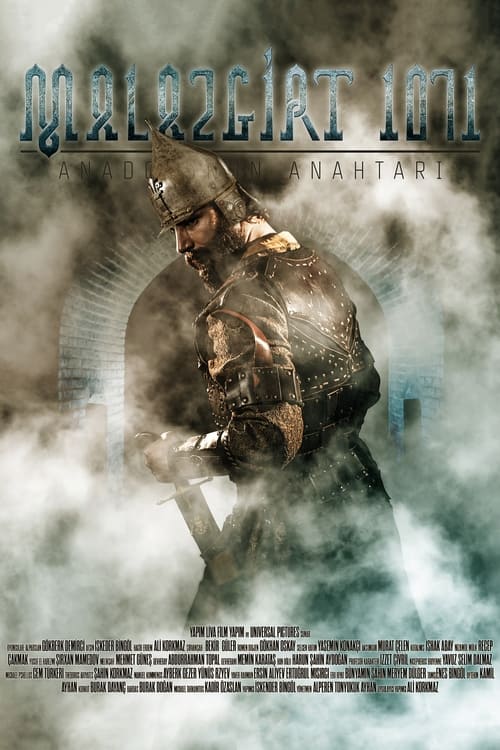
2022
No reviews yet. Be the first to share your thoughts on this movie!
Use the rating form above to leave a star rating and optional review.