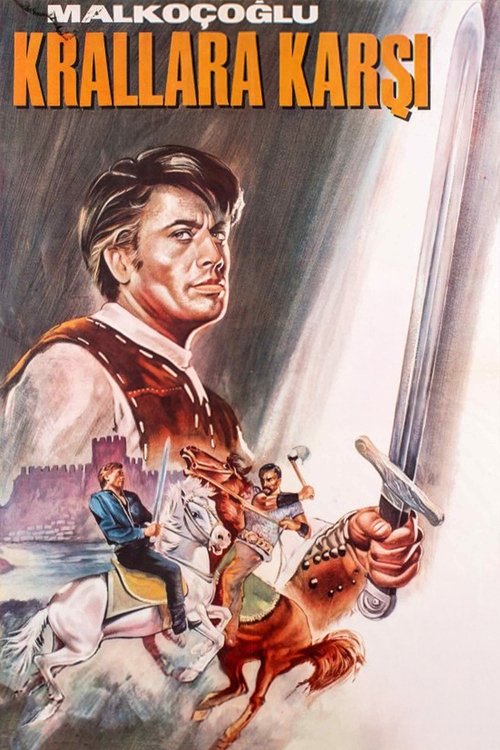
Malkoçoğlu vs The Kings
1967
No user ratings available yet
Representation score: 3.3 out of 10
Representation Score
Fair
1968
Director
Atıf Yılmaz
Runtime
90 minutes
Average Rating
No ratings yetNew Showbiz Analysis
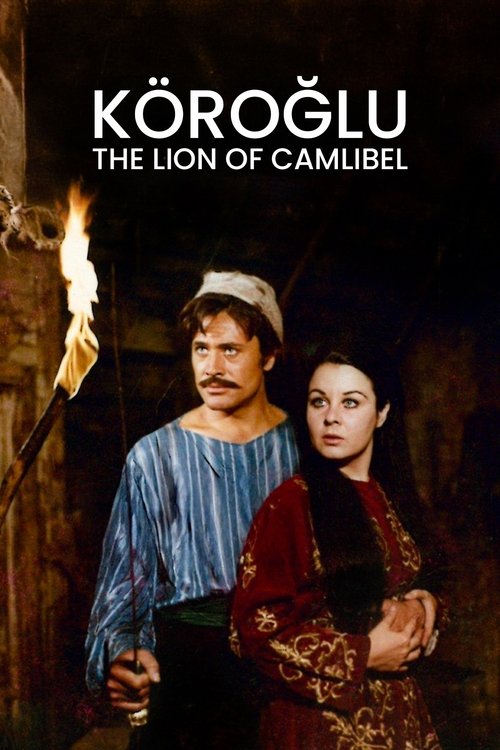
Köroğlu is a culturally significant epic that uses Anatolian folklore to challenge political hierarchies. Its main strength lies in its deconstruction of feudal authority and its focus on the struggle between the oppressed and the oppressor. However, the film remains socially conservative regarding identity. It relies heavily on traditional masculine archetypes and lacks representation for LGBTQ+ identities or neurodivergent experiences. While the film succeeds as a culturally specific critique of systemic corruption, it functions more as a traditional folk hero tale than a diverse, multi-layered story.
Category Breakdown
The film follows a traditional framework that assumes everyone is straight or cisgender. There are no queer narratives or non-conforming gender identities in the story.
The story focuses on masculine heroism and the physical strength of the male protagonist. Leadership and the driving force of the rebellion are based on conventional masculine archetypes.
The film features a predominantly Turkish cast, reflecting its Anatolian setting. It avoids Western-style whitewashing by centering a non-Anglo-Saxon identity within the historical epic.
The story provides a strong critique of feudalism and the abuse of power. It prioritizes the morality of those who are underrepresented over the legitimacy of the ruling elite.
The protagonist's nickname acknowledges a family connection to disability. However, this appears as a folkloric identifier rather than a nuanced exploration of lived experience.
Present on Screen
Limited or Absent
Official Synopsis
The epic tells about the life and heroic deeds of Koroghlu (literally "son of the blind man") as a hero of the people who struggled against unjust rulers, defending his clan or tribe.
1967
1970
1972
1972

1960
1966
1971
1960
No reviews yet. Be the first to share your thoughts on this movie!
Use the rating form above to leave a star rating and optional review.