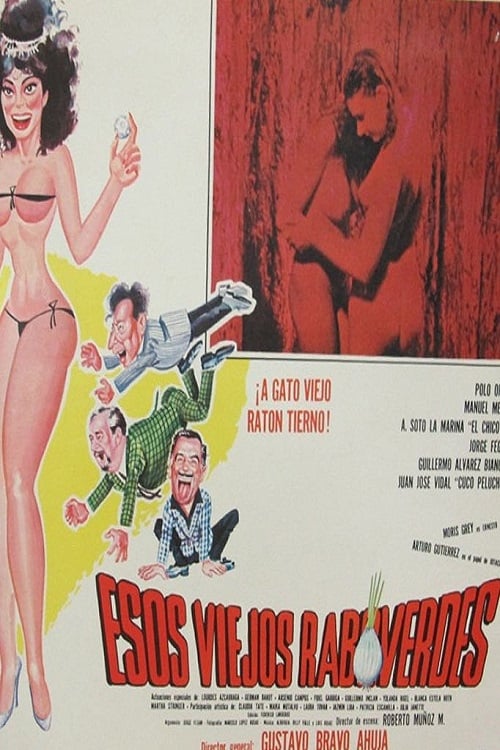
Esos viejos raboverdes
1983
No user ratings available yet
Diversity score: 3.0 out of 10

1981
Director
Fernando Ayala
Runtime
89 minutes
Average Rating
No ratings yetSynopsis
A motel that is open all day specializes in beautiful women, and a couple of men decide to visit their rooms.
Overall Score
Limited
Category Breakdown
LGBTQ+ Representation
The narrative focuses on men visiting beautiful women, suggesting a framework centered on heteronormative desire. There is no evidence of non-cisnormative identities or critiques of heteronormativity.
Gender Representation
Women are positioned as objects of the male gaze within a commercial setting. The reliance on the 'beautiful woman' archetype reinforces traditional gender hierarchies rather than disrupting them.
Racial & Ethnic Diversity
Specific details regarding the racial or ethnic composition of the cast are unconfirmed. The film likely reflects the demographic norms of 1981 Argentina.
Religious & Cultural Diversity
The film operates within a secular, commercial framework. It utilizes a capitalist setting as the primary engine for its plot without actively critiquing Western institutions.
Disability Representation
There is no evidence to suggest the inclusion of characters with physical or neurodivergent disabilities. Their roles in the narrative remain unaddressed.
Strengths
Areas for Improvement
AI Analysis
Abierto día y noche functions as a conventional genre piece that relies heavily on established social tropes. The comedic structure is built around the intersection of commerce and sexuality, specifically through the lens of male desire. The film maintains a traditionalist framework consistent with early 1980s commercial comedy. It lacks evidence of character agency for marginalized groups or any significant subversion of the heteronormative status quo. Ultimately, the work reinforces existing social hierarchies rather than challenging them, focusing on a transactional view of human interaction.
1983
1977

1981

1986

1981
1981

1980

1968

1981
1973

1969
1969
No reviews yet. Be the first to share your thoughts on this movie!
Use the rating form above to leave a star rating and optional review.