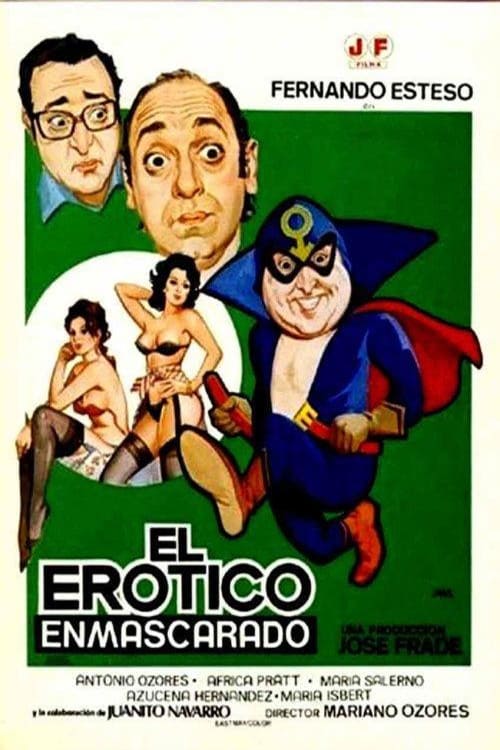
El erótico enmascarado
1980
No user ratings available yet
Diversity score: 2.6 out of 10

1981
Director
Carlos Aured
Runtime
75 minutes
Average Rating
No ratings yetSynopsis
A plumber rejects many sexual propositions from his clients for the love of his wife. But one day, when he gets home, he finds his wife with another man in bed. From then on, the attitude to his clients will change radically.
Overall Score
Limited
Category Breakdown
LGBTQ+ Representation
The film lacks LGBTQ+ characters or narratives. The central conflict is rooted entirely in a traditional heterosexual marital structure and infidelity.
Gender Representation
The plot centers on a male protagonist's reaction to his wife's infidelity. While it subverts the 'faithful husband' archetype, it remains within traditional gendered conflicts.
Racial & Ethnic Diversity
The production reflects a homogeneous casting approach typical of early 1980s regional European cinema. There is no evidence of intersectional or racial diversity.
Religious & Cultural Diversity
The story functions as a comedy of manners regarding marital breakdown. It does not offer a critique of Western institutions or specific secularist ideologies.
Disability Representation
There is no evidence that disability, neurodivergence, or chronic illness are addressed within the narrative.
Strengths
Areas for Improvement
AI Analysis
This erotic comedy operates within the conventional genre tropes of the early 1980s. The narrative focuses on individual interpersonal conflicts and domestic disruption rather than deconstructing systemic power structures. The film relies on traditional social frameworks, centering its humor on infidelity and shifting marital dynamics. It lacks the progressive narrative architecture required to address intersectional identities or diverse representation. Ultimately, the work serves as a character-driven exploration of betrayal, remaining largely homogeneous in its casting and thematic scope.
1980
1988

1981
1958
1981
1979
1943

1988
1959
1975

1982

2000
No reviews yet. Be the first to share your thoughts on this movie!
Use the rating form above to leave a star rating and optional review.