Open Day and Night
1981
No user ratings available yet
Diversity score: 3.1 out of 10
1983
Director
Gustavo Bravo Ahuja
Runtime
95 minutes
Average Rating
No ratings yetSynopsis
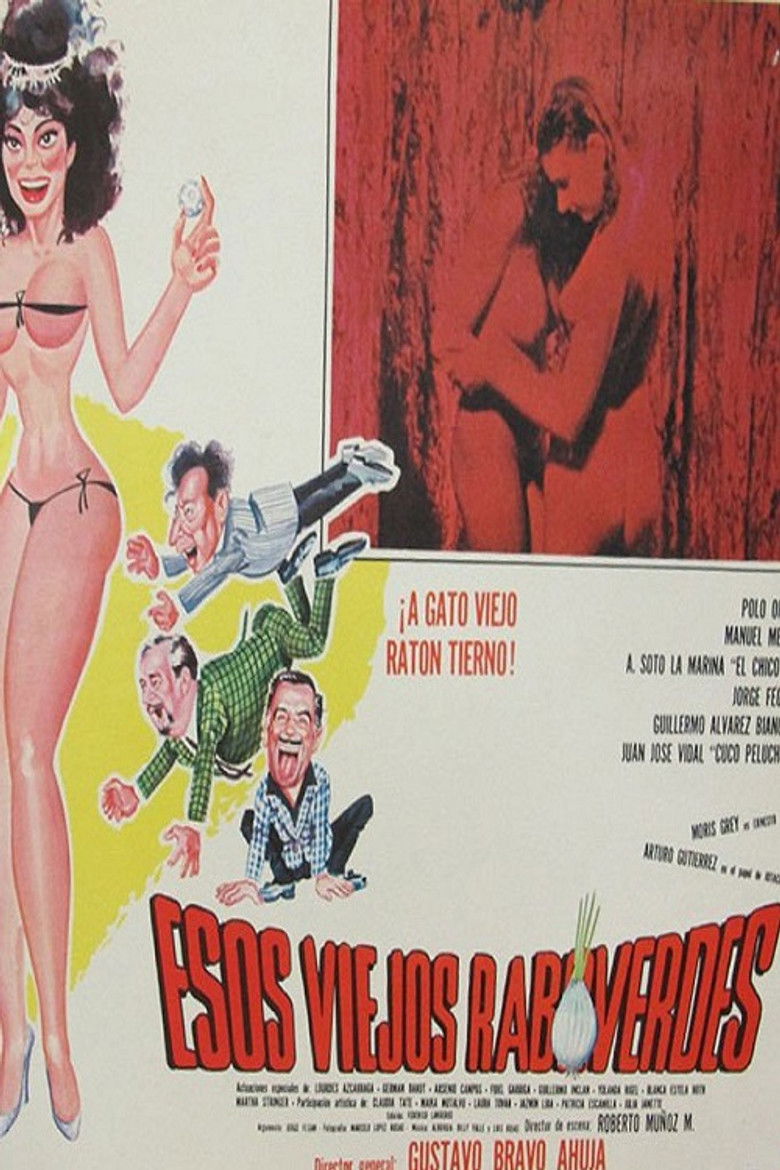
A club of elderly dudes plan a contest among themselves to see who can pull the most babes over a holiday weekend.
Overall Score
Limited
Category Breakdown
LGBTQ+ Representation
The film focuses on heteronormative romantic conquest among elderly men. There is no evidence of non-cisnormative identities or same-sex intimacy within the narrative.
Gender Representation
Women are positioned as prizes to be won in a male competition. This structure reinforces traditional gender hierarchies and the male gaze rather than female agency.
Racial & Ethnic Diversity
The synopsis provides no specific details regarding the racial composition of the cast. While the title suggests a Spanish-language context, ethnic backgrounds remain unverified.
Religious & Cultural Diversity
The story centers on conventional social behaviors and traditional social hierarchies. It lacks any significant critique of Western or secularist social structures.
Disability Representation
There is no mention of characters with physical, sensory, or neurodivergent disabilities. The narrative does not utilize disability as a device.
Strengths
Areas for Improvement
AI Analysis
Esos Viejos Raboverdes operates within a highly traditional comedic framework. The plot is driven by a competitive pursuit of masculinity that relies on outdated social tropes. The narrative architecture prioritizes heteronormative dynamics and views women through a lens of pursuit rather than autonomy. This creates a narrow social scope that lacks intersectional depth. Ultimately, the film reinforces established social hierarchies instead of challenging them, focusing on individualistic status within a standard community setting.
1981
1995

2007
1959

1968

1974

1985

1972

1980
1979

1979

1983
No reviews yet. Be the first to share your thoughts on this movie!
Use the rating form above to leave a star rating and optional review.