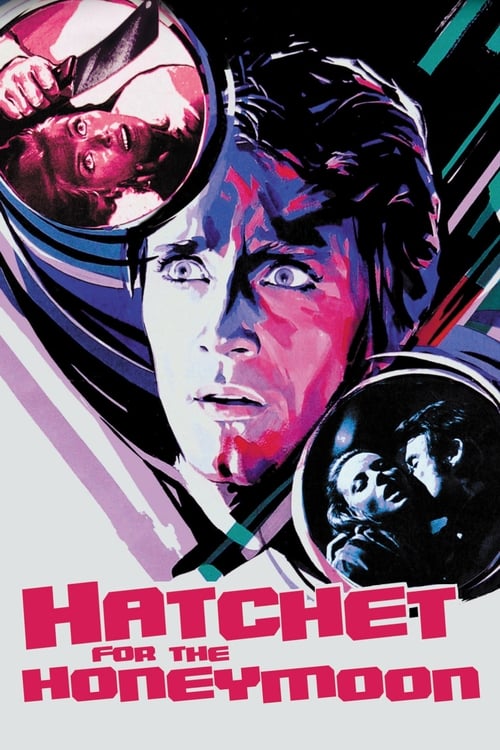
Hatchet for the Honeymoon
1970
No user ratings available yet
Diversity score: 2.8 out of 10

1966
Director
Bert I. Gordon
Runtime
82 minutes
Average Rating
No ratings yetSynopsis
Susan Shelley is released from an asylum where she's been confined to after the shock suffered over the fiery death of her mother. Her father has a new wife, who has only married him for the money left to him by his dead wife. Susan is still haunted by her mother's memory, and her step-mother is conspiring with her lover to get the troubled girl to lead them to her mother's missing diamond necklace.
Overall Score
Limited
Category Breakdown
LGBTQ+ Representation
The film lacks any discernible presence of LGBTQ+ characters or non-heteronormative identities. Interpersonal dynamics focus entirely on traditional, fractured heteronormative familial structures.
Gender Representation
The story explores the breakdown of maternal archetypes through psychological horror. While the step-mother acts as a calculating antagonist, female agency is largely tied to greed and domestic conspiracy.
Racial & Ethnic Diversity
The film features a homogeneous cast typical of 1960s low-budget horror. There is no evidence of racial blending or non-Anglo-Saxon majority casting within the suburban setting.
Religious & Cultural Diversity
The narrative deconstructs the traditional nuclear family by portraying the domestic sphere as a site of instability. These elements serve genre-specific tropes of exploitation rather than social critique.
Disability Representation
Psychological instability and asylum confinement drive the plot. However, these elements function as horror devices to heighten tension rather than providing nuanced portrayals of neurodivergence.
Strengths
Areas for Improvement
AI Analysis
Picture Mommy Dead is a product of its era, functioning primarily as a traditional exploitation thriller. It utilizes genre tropes to disrupt the idealized mid-century family image, but does so through the lens of suspense rather than intentional social commentary. The film relies on established hierarchies of power and identity common to 1960s cinema. While it subverts certain archetypes, such as the nurturing mother, it does so to facilitate horror rather than to offer progressive representation. Ultimately, the narrative architecture prioritizes spectacle and psychological tension over intersectional depth or meaningful explorations of lived experience.
1970
1990
1963
1973
1989
1961

1998
1971
1973
1961
1963
1974
No reviews yet. Be the first to share your thoughts on this movie!
Use the rating form above to leave a star rating and optional review.