
The Catman of Paris
1946
No user ratings available yet
Representation score: 1.6 out of 10
Representation Score
Limited
1961
ApprovedDirector
John Gilling
Runtime
79 minutes
Average Rating
No ratings yetNew Showbiz Analysis
This period piece adheres to the demographic norms of the early 1960s, lacking modern diversity. It does not include LGBTQ+ or multi-ethnic perspectives. However, it stands out in its gender dynamics. A female protagonist with autonomy challenges established male-dominated social orders, moving beyond passive female archetypes. Ultimately, the narrative focuses on psychological tension and local superstition, critiquing unexamined communal beliefs rather than providing overt social commentary.
Category Breakdown
The film does not include any LGBTQ+ characters or explore non-straight identities. It stays within the traditional social norms of 1961.
A female protagonist challenges traditional gender roles. Her supernatural abilities threaten the patriarchal structures of the village.
The casting is uniform, reflecting a Eurocentric setting in the French Pyrenees. There are no significant racial minorities or color-blind casting.
The story examines the tension between personal freedom and collective superstition. It criticizes the dangers of communal dogma and irrational mob behavior.
There is no meaningful representation of physical or neurodivergent disabilities. The character struggles focus on psychological or supernatural themes.
Present on Screen
Limited or Absent
Official Synopsis
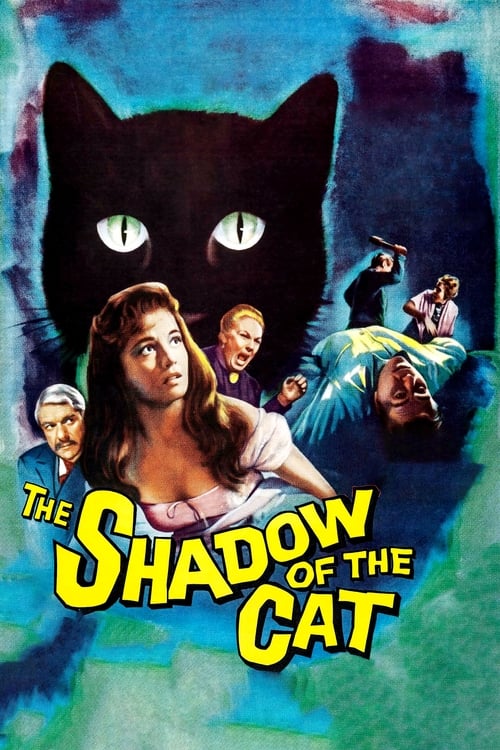
Tabitha, once the placid, gentle and devoted pet, adopts all the characteristics of a ferocious, wild animal following the murder of her mistress. The three guilty people are all trapped by the cat's power and each will come to untimely deaths of horrific proportions without anyone being able to solve the mystery that surrounds their brutal death.
1946
1963

1963

1943

1961

1964

1967

1946
No reviews yet. Be the first to share your thoughts on this movie!
Use the rating form above to leave a star rating and optional review.