How to Cope with Death
2002
No user ratings available yet
Representation score: 3.3 out of 10
Representation Score
Good
1997
Director
Karsten Kiilerich, Stefan Fjeldmark
Runtime
11 minutes
Average Rating
No ratings yetNew Showbiz Analysis
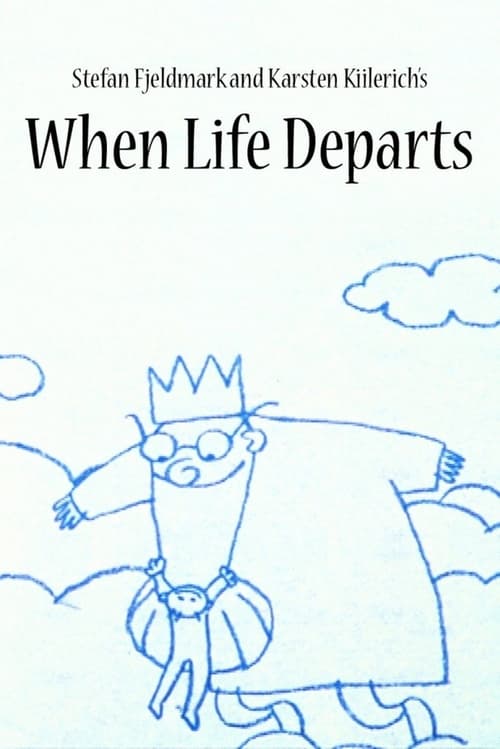
When Life Departs is a niche exploration of human existence that prioritizes thematic depth over demographic breadth. It succeeds by disrupting conventional, sanitized storytelling through its focus on the messy, personal reality of mortality. While the film lacks overt representation of specific identity groups, its strength lies in its existentialist approach. By centering the narrative on a child's subjective experience, it moves away from standard commercial formulas and traditional moralistic structures. Ultimately, the work functions as a psychological study. It trades broad social diversity for a deep, non-traditional investigation into the universal human condition and the complexities of processing death.
Category Breakdown
The film focuses on the internal psychological landscape of childhood and mortality. There are no explicit LGBTQ+ characters or narratives about non-straight relationships.
The narrative structure centers on universal human experiences rather than gender-specific power dynamics. It is unclear if the film challenges or follows traditional gender roles.
As an animated work focused on abstract existential themes, the visual language may be highly stylized. There is no documented evidence of intentional racial diversity or a non-Anglo-Saxon majority.
The film prioritizes a non-dogmatic, existentialist view of life by centering on a child's perspective. This approach critiques the rigidity of traditional Western institutions and sanitized views of mortality.
The exploration of how children process death touches upon neurodivergent ways of handling trauma and dread. However, there is no explicit mention of characters with physical disabilities.
Present on Screen
Limited or Absent
Official Synopsis
Illustrations of the thoughts children's have about death.
2002

2010

2017

2003

1984

2012
2005
1978
No reviews yet. Be the first to share your thoughts on this movie!
Use the rating form above to leave a star rating and optional review.