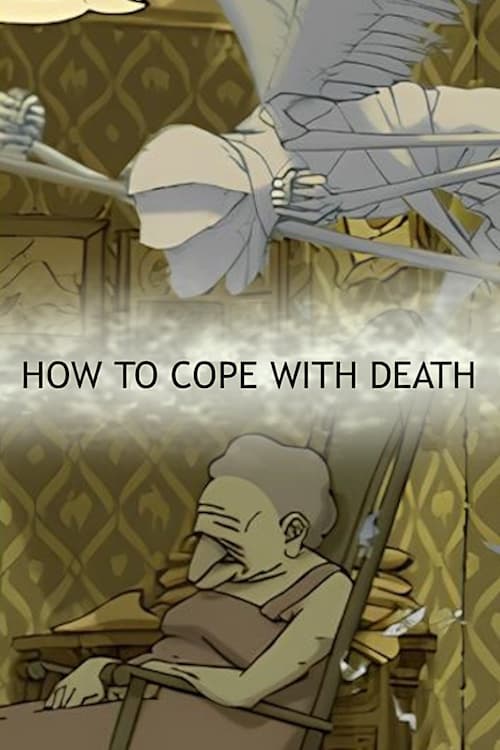
How to Cope with Death
2002
No user ratings available yet
Representation score: 3.3 out of 10

Representation Score
Good
2003
Director
Lourdes Villagómez
Runtime
8 minutes
Average Rating
No ratings yetNew Showbiz Analysis
White Line Syndrome is a sophisticated exploration of identity, particularly through the lens of the immigrant experience. It disrupts conventional coming-of-age stories by framing the protagonist's journey through cultural displacement and the search for autonomy. The film's strength lies in its ability to use ethnic identity as a central driver of psychological conflict. This approach challenges the dominance of homogeneous Western narratives by presenting a nuanced portrait of post-colonial identity. While the film excels in racial and cultural depth, it lacks overt LGBTQ+ representation and provides no discernible information regarding disability representation.
Category Breakdown
The film does not include explicit representations of LGBTQ+ identities or same-sex relationships. It focuses on the protagonist's internal struggle for autonomy.
The story centers around a female protagonist's psychological journey rather than a male-driven plot. It explores the tension between maternal expectations and the daughter's quest for independence.
The film offers meaningful representation through Elena, a Latina protagonist. It delves into the complexities of dual cultural identities within a Western, urban Canadian context.
The narrative examines the immigrant experience and the pressures of Western assimilation. It avoids idealized family units to focus on cultural negotiation.
There is no significant depiction of physical or neurodivergent disabilities in this work.
Present on Screen
Limited or Absent
Official Synopsis
An imaginary biography of a little girl who dies after being run over, using the image of the enchanted princess, who wakes up looking for domestic bliss and a happy ending.
2002

1992

2012

1973

2003
2005
1997
2007
No reviews yet. Be the first to share your thoughts on this movie!
Use the rating form above to leave a star rating and optional review.