Reflections
1979
No user ratings available yet
Representation score: 6.1 out of 10
Representation Score
Fair
1984
Director
Jerzy Kucia
Runtime
11 minutes
Average Rating
No ratings yetNew Showbiz Analysis
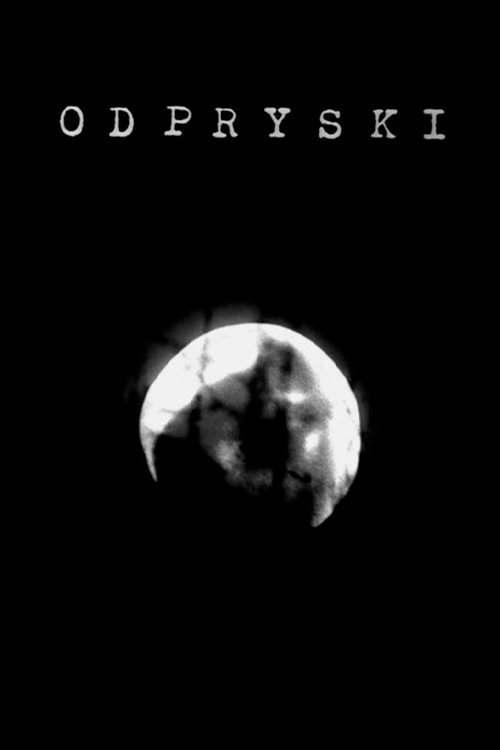
Jerzy Kucia’s *Odpryski* serves as an abstract, non-narrative exploration of mortality rather than a character-driven drama. By relying on visual metaphors and symbolic abstraction, it lacks the traditional markers used to gauge identity-based representation. The film dismantles social hierarchies by eliminating performative aspects of gender and religion. It presents a human experience detached from the systemic structures of its time, focusing instead on the fragmentation of the self. However, the absence of explicit representation for underrepresented groups means the film remains neutral. It offers a universalist perspective that avoids specific cultural or identity-driven narratives in favor of existential inquiry.
Category Breakdown
The film focuses on existential dread, creating a space that isn't centered around typical heterosexual relationships. Though no specific LGBTQ+ identities are mentioned, the abstract nature of the film allows for a non-traditional interpretation.
By avoiding character archetypes, the film disrupts traditional gender hierarchies. It examines loneliness without relying on traditional gender roles, presenting a human experience free from societal expectations.
The film does not depict any specific racial or ethnic identities. Instead, it prioritizes a universalist, existential perspective that transcends particular ethnic markers.
The work emphasizes secular, philosophical inquiry rather than religious or patriotic themes. It views individuals as fragmented entities, focusing on a postmodern deconstruction of the self.
The film explores life's fragility and isolation, which can be interpreted as a metaphor for neurodivergent or sensory experiences. It delves into internal states without using disability as a plot device.
Present on Screen
Limited or Absent
Official Synopsis
A study of loneliness and passing away.
1979
1985

1997

1983
1997
1985
1999
1998
No reviews yet. Be the first to share your thoughts on this movie!
Use the rating form above to leave a star rating and optional review.