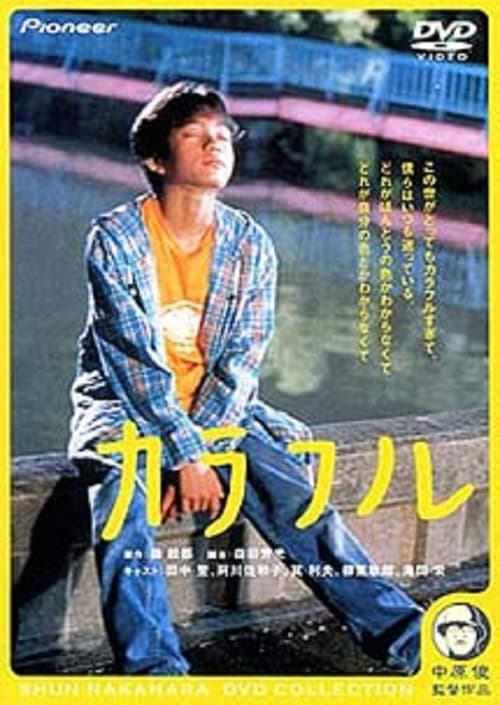
Colorful
2000
No user ratings available yet
Representation score: 8.0 out of 10
Representation Score
Good
2010
TV-14Director
Keiichi Hara
Runtime
127 minutes
Average Rating
No ratings yetNew Showbiz Analysis
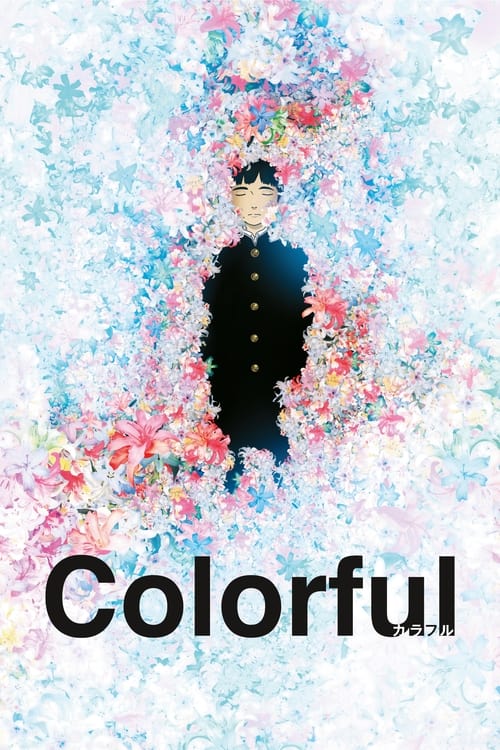
Keiichi Hara’s *Colorful* is a contemplative drama that uses a metaphysical framework to explore the fragmentation of identity. It excels in its nuanced treatment of mental health, treating the protagonist's psychological struggles with ability to act rather than as a spectacle of suffering. The film's strength lies in its rejection of binary morality, instead presenting human existence as a complex spectrum. This approach allows for a sophisticated critique of modern social structures and the pressures of institutionalized expectations. However, the film remains limited in its social breadth. It lacks visibility for queer identities and maintains a homogeneous racial landscape, focusing instead on a localized, Japanese urban experience.
Category Breakdown
The film does not include explicit LGBTQ+ characters or non-straight relationships. Instead, it centers on the protagonist's internal psychological journey and adolescent social dynamics.
The story avoids rigid gender roles by emphasizing emotional vulnerability. It challenges the stoic male lead cliché by centering on a sensitive, nuanced portrayal of a teenage boy's interiority.
Set in a modern Japanese urban landscape, the film depicts a relatively homogeneous social environment. It does not actively promote a multi-ethnic cast or seek to disrupt ethnic homogeneity.
The film critiques modern societal structures and institutional pressures. It portrays the nuclear family and academic authority as potential sources of emotional isolation and systemic pressure.
The narrative offers a profound exploration of mental health and suicidal ideation. It avoids 'inspiration porn' by focusing on the messy, non-linear process of psychological reintegration.
Present on Screen
Limited or Absent
Official Synopsis
Upon reaching the train station to death, a dejected soul is informed that he is lucky and will have another chance at life. He is placed in the body of a 14-year-old boy named Kobayashi Makoto, who has just committed suicide. Watched over by a neutral spirit named Purapura, the soul must figure out what his greatest sin and mistake in his former life was, before his time limit in Makoto's body runs out. He also has a number of other lesser duties he must complete, such as understanding what led Makoto to commit suicide in the first place and learning how to enjoy his second chance at life.
2000

2013

2022
2012

2002

2014
2004

1994
No reviews yet. Be the first to share your thoughts on this movie!
Use the rating form above to leave a star rating and optional review.