The Reckoning
2004
No user ratings available yet
Representation score: 1.2 out of 10
Representation Score
Minimal
2006
RDirector
Adrian Rudomin
Runtime
109 minutes
Average Rating
No ratings yetNew Showbiz Analysis
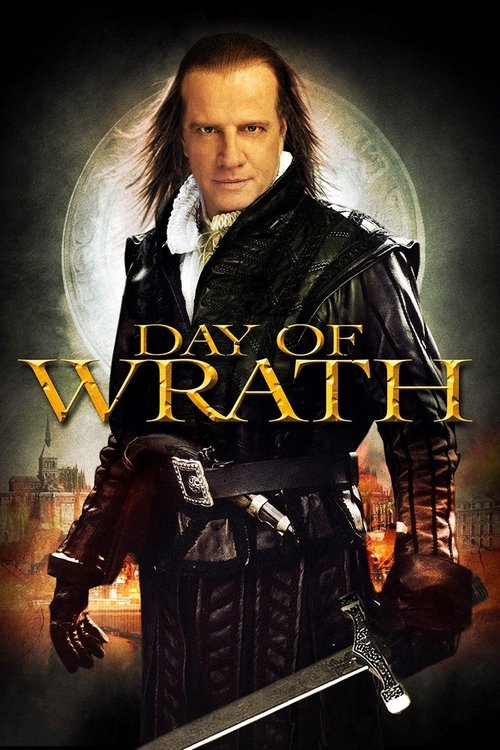
Day of Wrath is a traditional period mystery set during the Spanish Inquisition. It uses its historical backdrop to examine how institutional secrecy and communal silence enable violence to go unpunished. The film's strength lies in its potential to critique power structures. By highlighting the erasure of evidence and the silence of villagers, it portrays religious and social institutions as sites of corruption. However, the work lacks depth in representing diverse identities. The narrative seems confined to a conventional historical framework, prioritizing a localized mystery over a broader spectrum of diverse identity portrayals.
Category Breakdown
The film does not include any visible representation of non-binary or LGBTQ+ identities. It also does not address heterosexual norms within the story.
The story focuses on a male protagonist and high-ranking noblemen. While it may critique masculine dominance through institutional failures, the overall focus remains heavily male-dominated.
Set in 16th-century Spain, the cast likely reflects the era's demographics. However, the film does not confirm diverse casting to break historical norms.
The film explores the corruption of established social and religious structures. It depicts a community that upholds a violent status quo through systemic silence.
There is no information about the inclusion or portrayal of characters with physical or neurodivergent disabilities.
Present on Screen
Limited or Absent
Official Synopsis
At the height of the Spanish Inquisition, high-ranking noblemen begin dropping like flies, with alarming frequency and unexplained violence. But can local 16th-century sheriff Ruy de Mendoza discern who's responsible when no one wants to cooperate? After all, before Mendoza can even identify the bodies, the crime scenes are mysteriously cleared - and the villagers pretend the murders never happened.
2004
1961

2022
1976
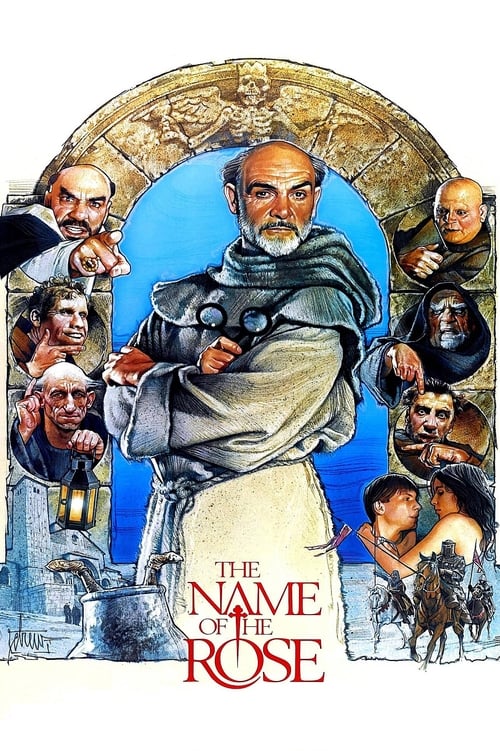
1986
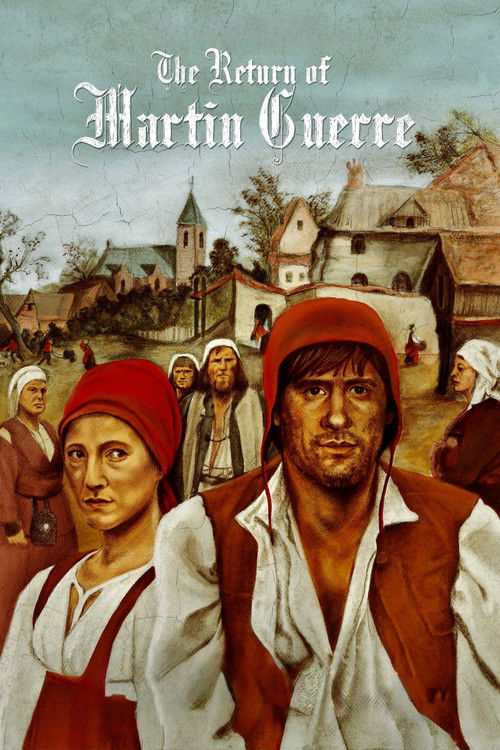
1982
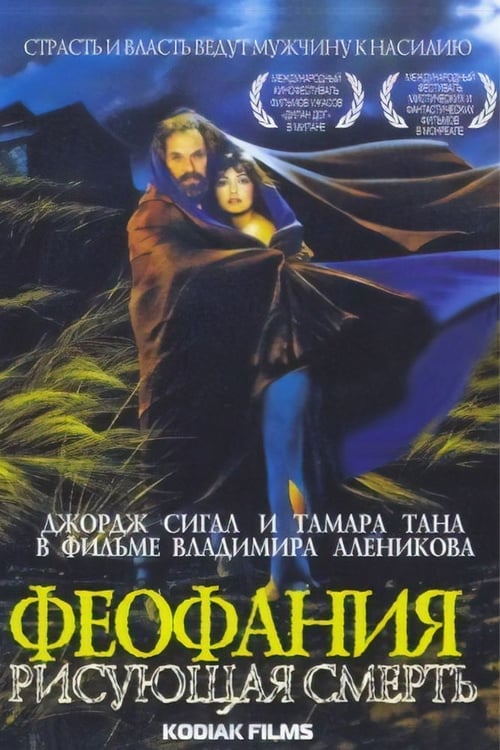
1991
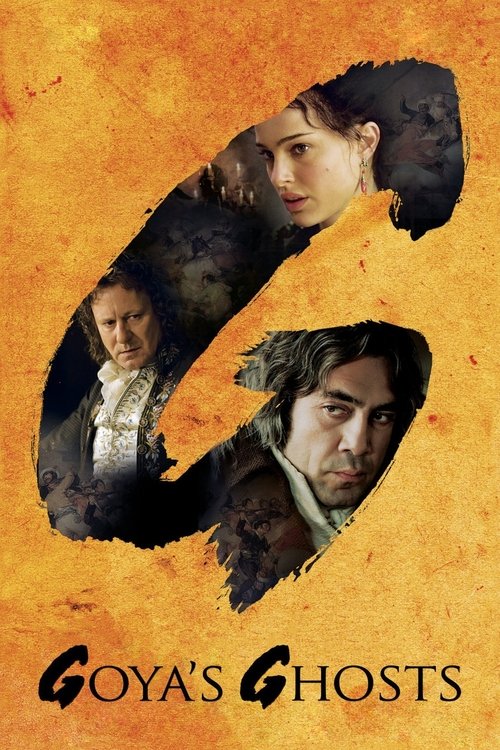
2006
No reviews yet. Be the first to share your thoughts on this movie!
Use the rating form above to leave a star rating and optional review.