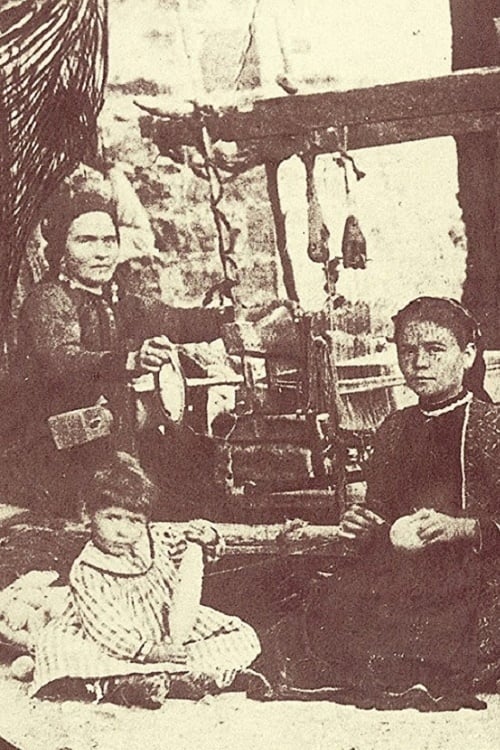
Wallachian Nomads
1905
No user ratings available yet
Representation score: 2.5 out of 10
Representation Score
Minimal
1908
Director
Yanaki Manaki, Milton Manaki
Runtime
1 minutes
Average Rating
No ratings yetNew Showbiz Analysis
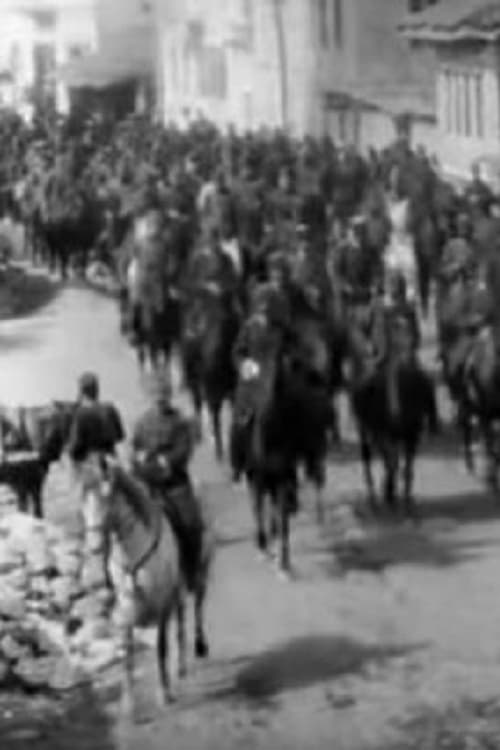
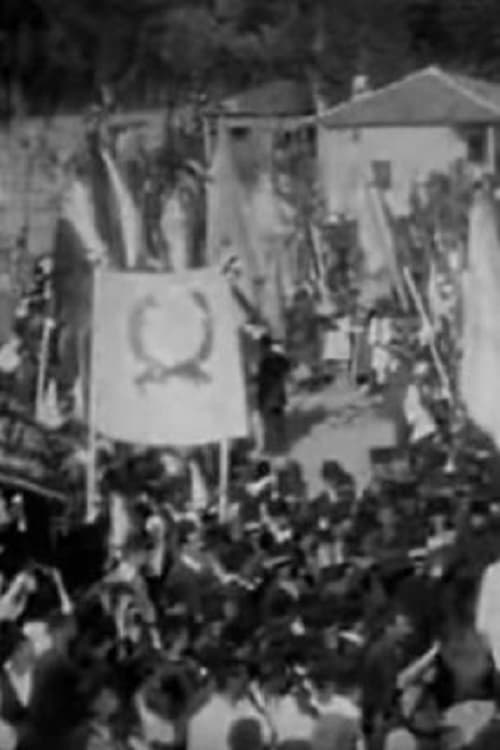
This 1908 documentary provides a historical record of early 20th-century Balkan military and social processions. As a non-narrative archival document, it lacks the intentionality needed to address modern identity politics or challenge social norms. The film primarily reflects the traditional, male-dominated structures of its time. It preserves patriotism and institutional order rather than promoting diverse representation. Ultimately, the work highlights the limited visibility and homogeneous social landscapes typical of the early 1900s.
Category Breakdown
There are no visible LGBTQ+ characters or non-binary gender expressions in the footage. The film records a public military procession without any representation of LGBTQ+ identities.
The footage is dominated by male-led military orchestras and horsemen. Women appear only as passive observers in the background, without any active roles or influence within the scene.
The film captures a specific Balkan regional context through traditional dress. It portrays a homogeneous regional identity rather than a diverse or characters who reflect more than one aspect of diversity of various backgrounds.
The film documents the reinforcement of the existing social status quo and state ceremony. It focuses on institutional stability without critiquing systemic power structures.
The archival footage focuses on the organized movement of able-bodied military and civic participants. There is no indication of individuals with disabilities being portrayed.
Present on Screen
Limited or Absent
Official Synopsis
Early Balkan footage.
1905

1905
1908
1908
1905
1905
1908
1905
No reviews yet. Be the first to share your thoughts on this movie!
Use the rating form above to leave a star rating and optional review.