Glastonbury
2006
No user ratings available yet
Diversity score: 5.5 out of 10
1968
Director
Barry Feinstein
Runtime
75 minutes
Average Rating
No ratings yetSynopsis
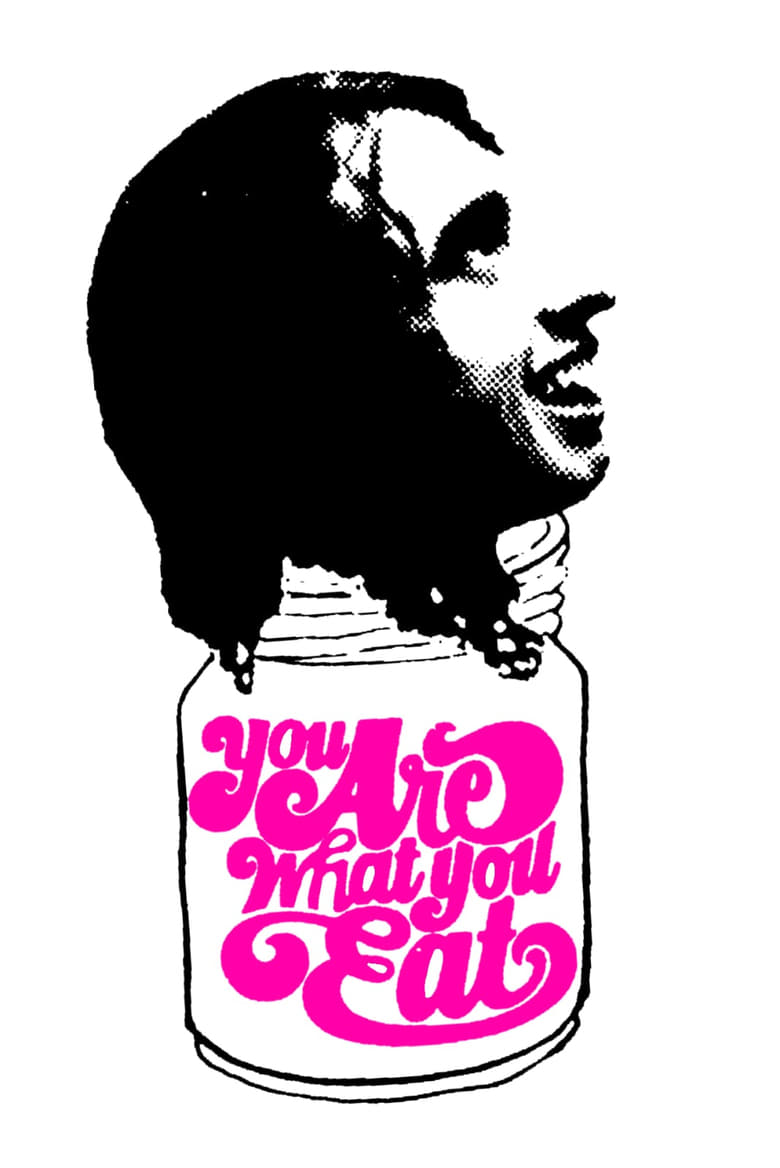
A montage of the weird, a freak-out film that appeared when the expression was in fashion and in flower, along with the flower people. The film was one of the first exponents of the mobile camera-rock track-optical effect school of filmmaking, and it is much a document as it is a documentary. A repellent and fascinating depiction of the Sunset Strip in Hollywood, along with Haight-Ashbury in San Francisco and the East Village in New York. Tiny Tim amounts to something resembling a recurring motif and narrator.
Overall Score
Good
Category Breakdown
LGBTQ+ Representation
The film captures the burgeoning queer subcultures of the late 1960s through its focus on the East Village and Haight-Ashbury scenes. It provides visibility to non-cisnormative lifestyles by documenting the fringes of society.
Gender Representation
The narrative captures shifting gender dynamics by portraying the gender-fluid aesthetics of the hippie movement. It offers moderate representation through cultural documentation rather than specific character-driven subversion.
Racial & Ethnic Diversity
By documenting the Sunset Strip and Haight-Ashbury, the film captures the diverse ethnic groups present in these cultural melting pots. It focuses on marginalized identities existing outside the Anglo-Saxon mainstream.
Religious & Cultural Diversity
The film prioritizes anti-establishment sentiments and critiques traditional Western social structures. It uses psychedelic experiences to challenge mainstream societal norms and traditional institutions like religion and family.
Disability Representation
The film's interest in the 'weird' and 'repellent' suggests an engagement with non-normative experiences. However, it lacks specific evidence of characters with clear agency regarding physical or cognitive disabilities.
Strengths
Areas for Improvement
AI Analysis
You Are What You Eat serves as a visceral historical document of 1960s counterculture. It excels at capturing the aesthetic and social transgressions of the era, particularly through its focus on the 'flower people' and the rejection of mainstream morality. The film's strength lies in its cultural framing, using a montage style to highlight the diverse, non-traditional lifestyles found in San Francisco and New York. It effectively deconstructs traditional social hierarchies by centering on the 'freak-out' culture. However, the documentary's montage-heavy structure limits deep, character-driven representation. While it captures the atmosphere of diverse communities, it lacks the specific narrative arcs necessary to provide robust visibility for individual identities or disability agency.
2006
2017
1995
2017
1977
2019

2014
1968
2012
2001
2016

1977
No reviews yet. Be the first to share your thoughts on this movie!
Use the rating form above to leave a star rating and optional review.